What are you driving — or are you driving at all? A truck, a sports car, a practical sedan, a motorcycle, an electric vehicle, a bike, or nothing because you live somewhere walkable? Your vehicle is a daily-use decision that connects to your location, your budget, your hobbies, and your identity. It should make sense with everything else on your board.
Details
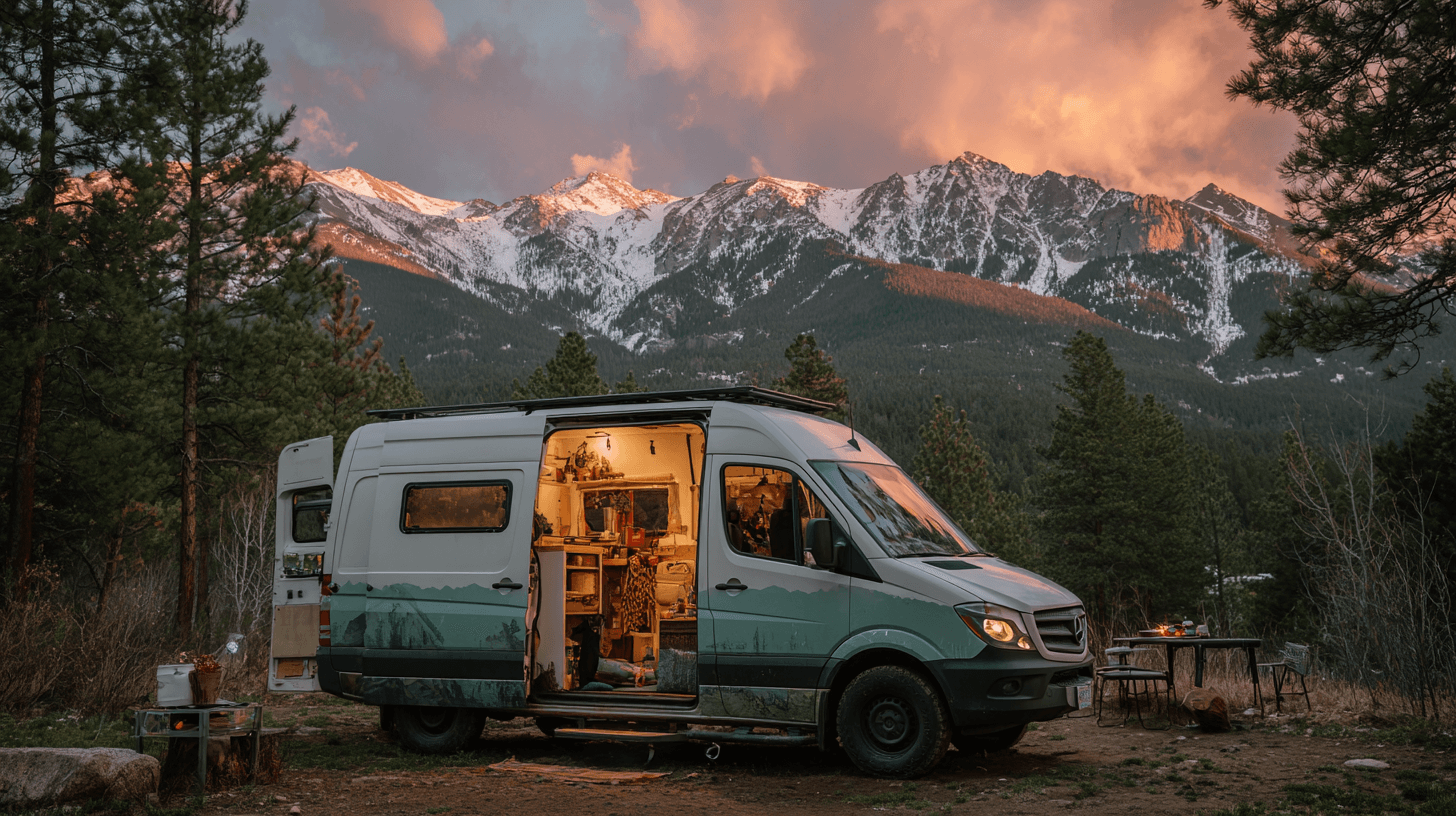
A converted adventure van — typically a Mercedes Sprinter or Ford Transit — is both transportation and living space. It is for people who want to camp, travel, and work from anywhere without needing a hotel. The van life movement has made this mainstream but it requires significant investment to build out.
What It Looks Like
Converted interior with bed, kitchen, and storage, rooftop solar panels, always ready for adventure, your vehicle is your home base
Examples
Van lifers, weekend warriors with converted vans, traveling workers, surf van culture
Details
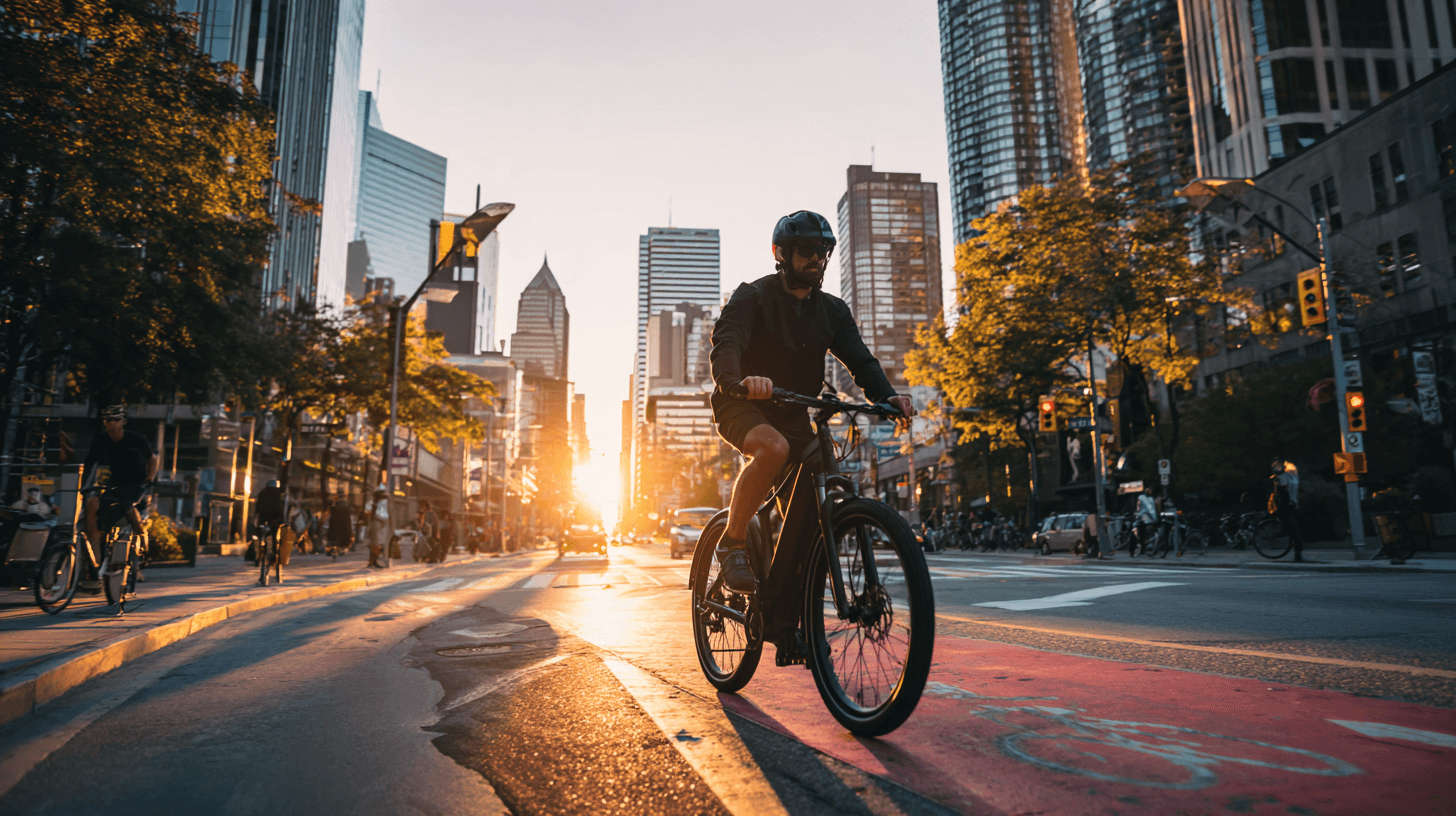
Going car-free and relying on a bicycle or e-bike is a lifestyle choice that works in walkable cities with good infrastructure. It eliminates car payments, insurance, gas, and parking stress. It keeps you fit and saves thousands of dollars per year. The trade-off is weather dependence and limited range.
What It Looks Like
Bike lanes as your commute, panniers for groceries, rain gear in the closet, saving thousands per year, healthier than driving, works best in bike-friendly cities
Examples
City commuters, people in Portland, Amsterdam, or Copenhagen, e-bike converts, car-free by choice
Details
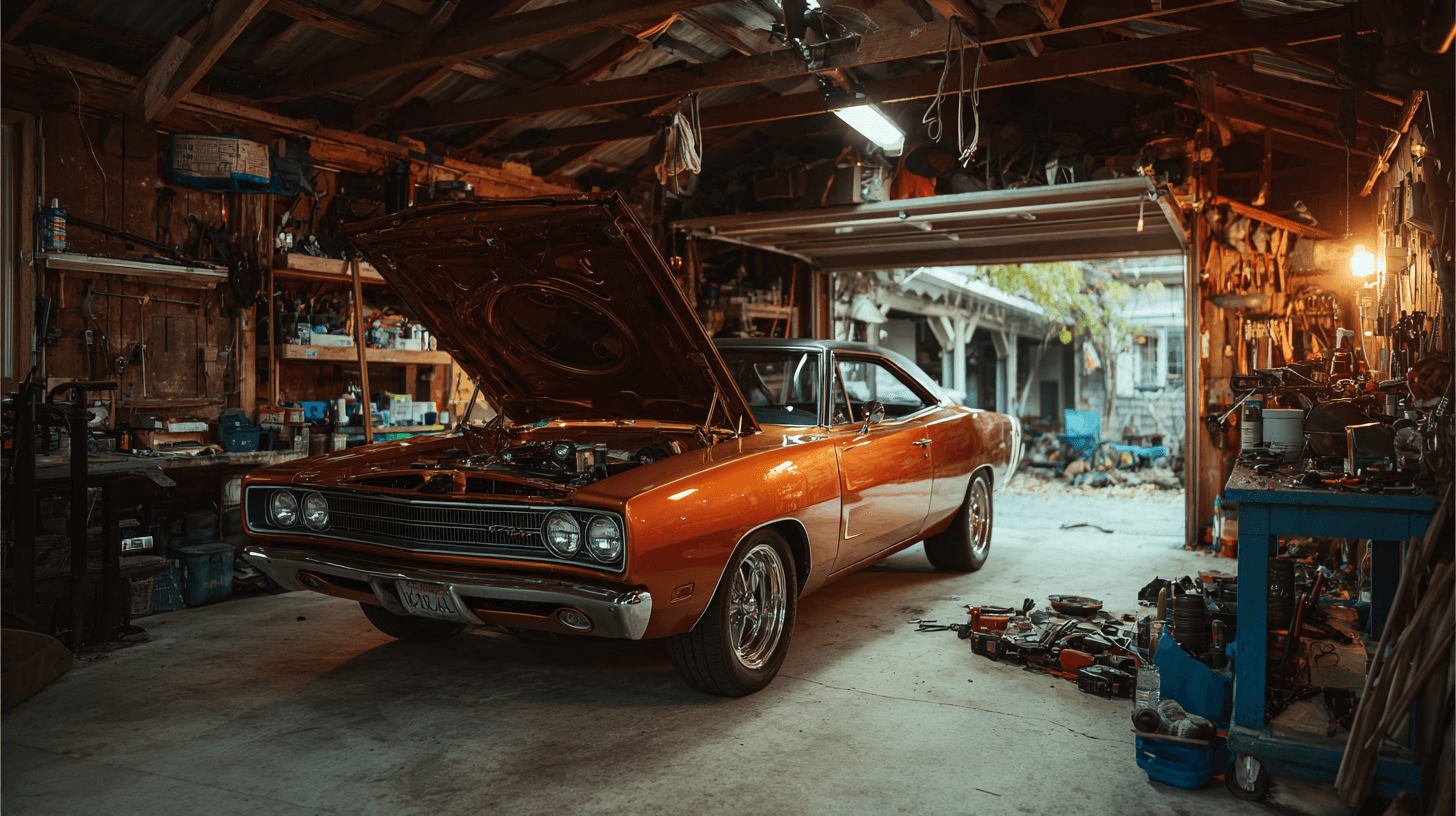
A classic or project car is not practical transportation — it is a passion. Restoring a vintage vehicle, maintaining it yourself, and driving something with character and history is deeply satisfying for the right person. It requires mechanical skill, patience, and a tolerance for things breaking at inconvenient times.
What It Looks Like
Garage full of parts, weekend wrenching sessions, car shows, people stopping to ask about your car, unreliable but beautiful, the car is the hobby
Examples
Classic Mustang restorers, VW Bug owners, classic truck builders, people at cars and coffee every Saturday
Details
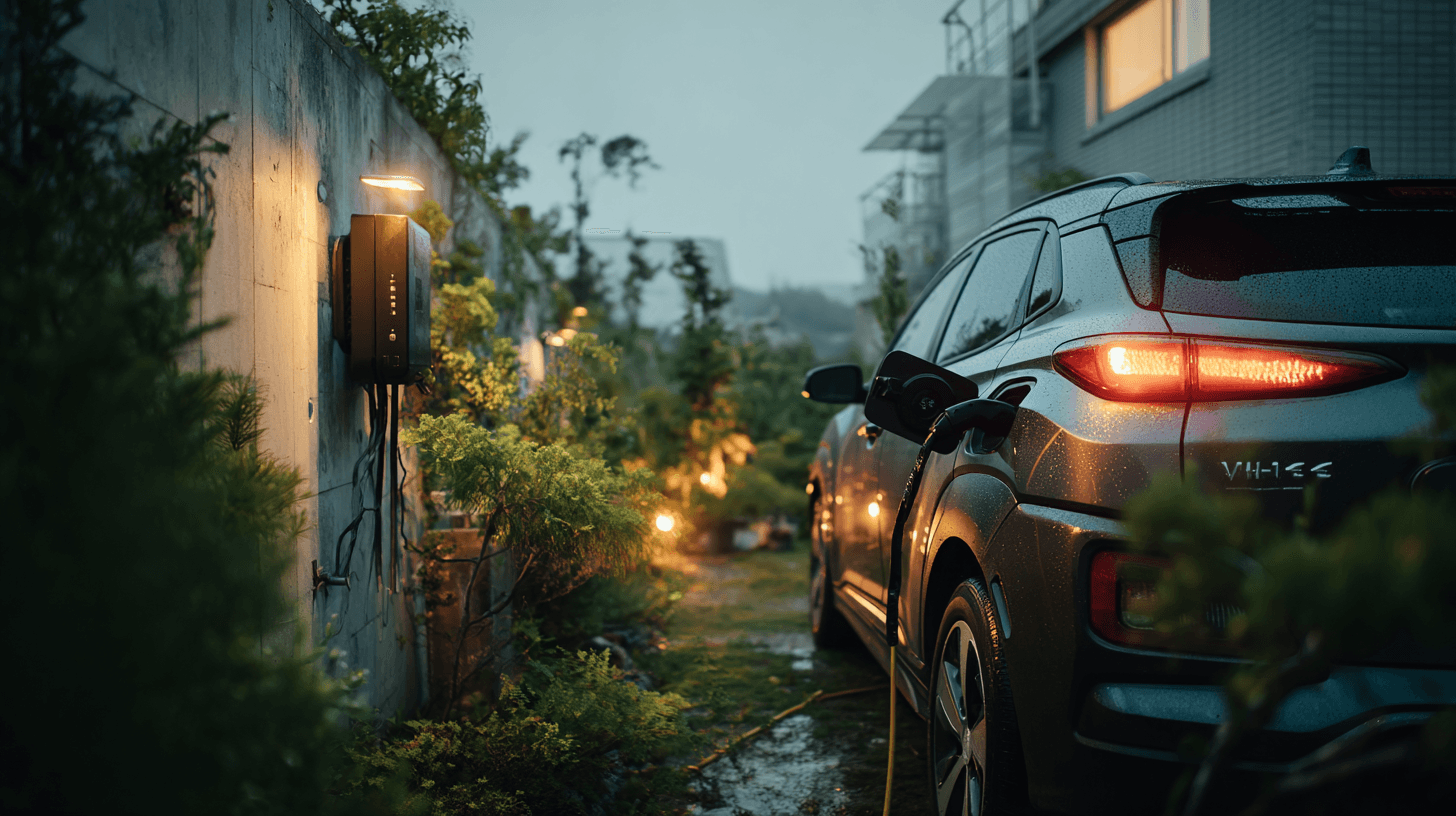
Electric vehicles are the fastest-growing segment of the car market. No gas costs, lower maintenance, instant torque, and a smaller environmental footprint. The trade-off is range anxiety on long trips and the need for charging infrastructure. But for daily driving, EVs are increasingly the smartest choice.
What It Looks Like
Plugging in at home instead of pumping gas, quiet acceleration, touchscreen everything, charging stops on road trips, lower operating costs
Examples
Tesla Model 3, Rivian R1S, Hyundai Ioniq, Chevy Equinox EV, Ford Mustang Mach-E
Details
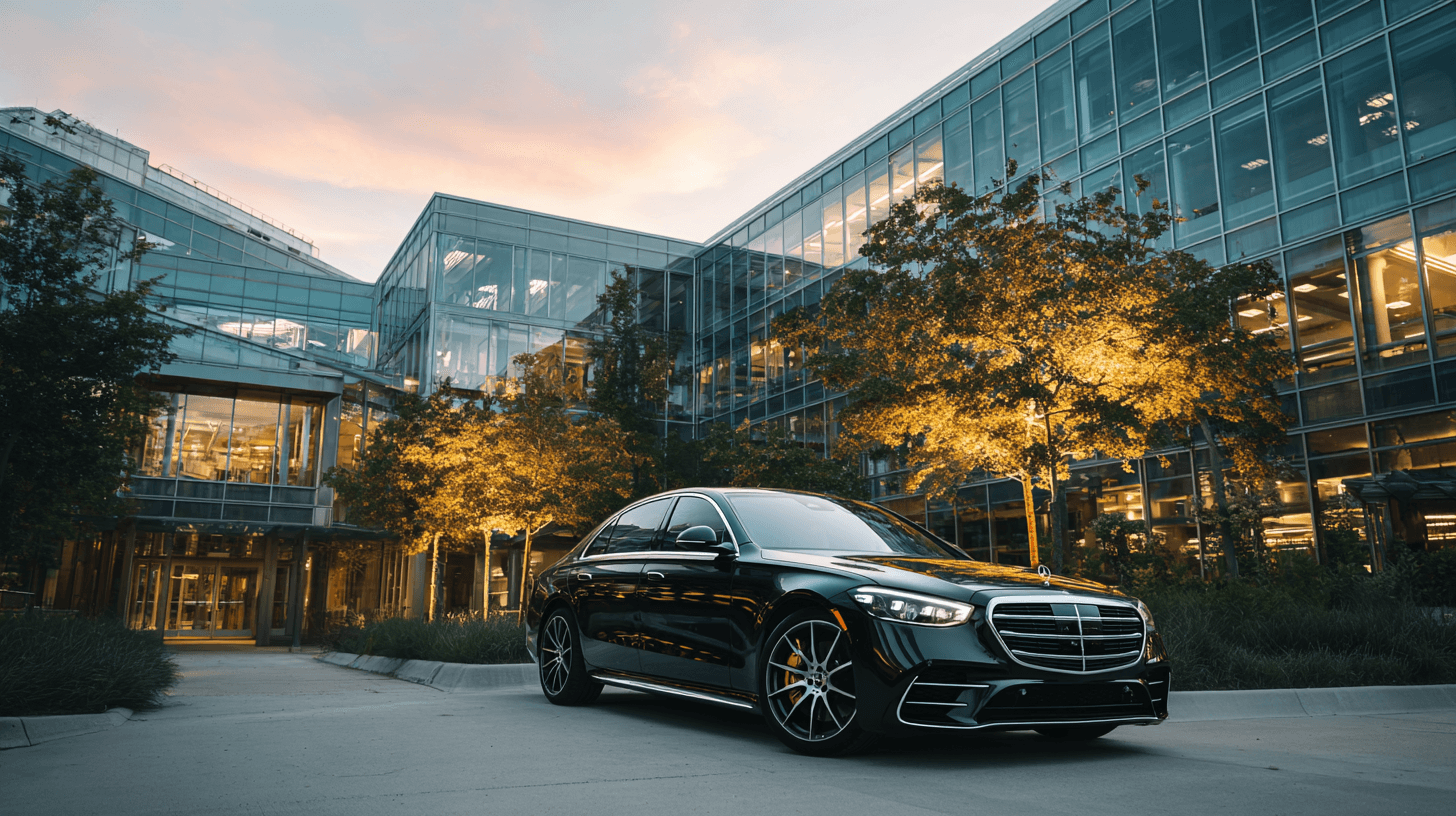
A luxury vehicle prioritizes comfort, technology, and status. Leather interiors, advanced features, quiet rides, and a badge that communicates success. It costs more to buy and maintain but the driving experience and the message it sends are part of the appeal.
What It Looks Like
Leather seats, premium sound system, heads turning for different reasons than a sports car, higher maintenance costs, comfort as a priority
Examples
BMW 3 Series, Mercedes C-Class, Lexus IS, Audi A4, Genesis G70
Details
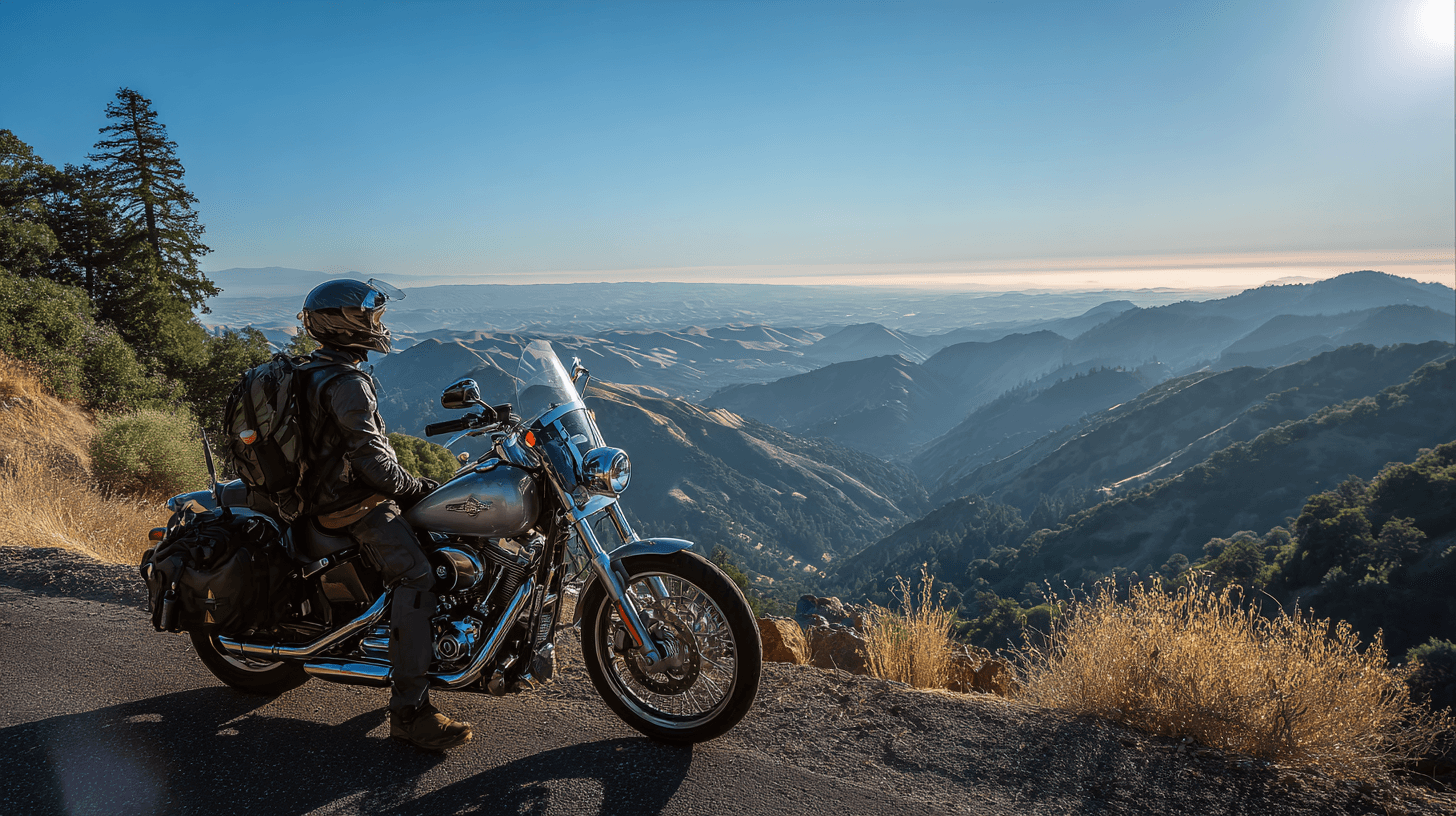
Riding a motorcycle is a fundamentally different experience than driving a car. The wind, the lean, the connection to the road — it is visceral in a way four wheels can never be. It is also riskier and weather-dependent. But for riders, nothing else comes close.
What It Looks Like
Helmet and jacket, lean into corners, wind in your face, cheaper than a car, parking anywhere, a community of riders, weather matters a lot more
Examples
Harley riders, sport bike enthusiasts, adventure touring riders, cafe racer builders, commuters who prefer two wheels

Details
In the right city, you do not need a vehicle at all. Walking, public transit, rideshare apps, and occasional rentals cover everything. You save thousands per year and never deal with parking, insurance, or maintenance. This only works in cities with strong transit infrastructure.
What It Looks Like
Subway pass, walking commute, rideshare for special occasions, renting a car for road trips, no parking stress ever, only works in certain cities
Examples
New York City residents, people in transit-heavy cities, minimalists, anyone who has done the math and realized a car is not worth it
Details
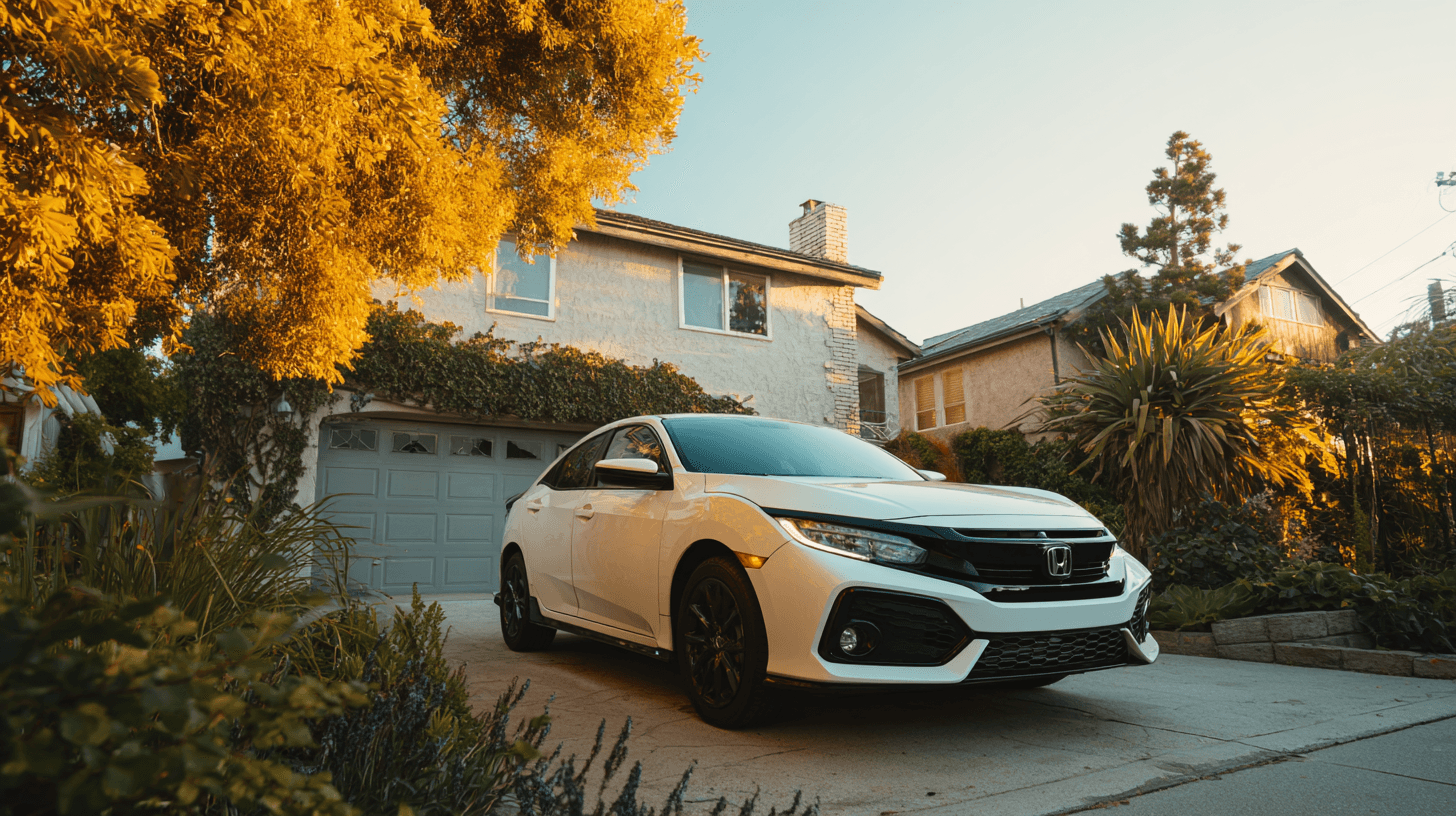
A practical sedan is the most sensible vehicle choice for most people. Reliable, affordable to maintain, good on gas, and gets you from point A to point B without financial stress. It is not flashy but it works, and that is the point.
What It Looks Like
Clean and simple, great gas mileage, low insurance, reliable in any weather, nobody notices your car and that is fine
Examples
Honda Civic, Toyota Camry, Toyota Corolla, Mazda3, Hyundai Elantra

Details
A sports car is a luxury and an experience. The acceleration, the handling, the sound, the way people look when you drive past — it is about the feeling of driving, not just transportation. It is impractical, expensive, and worth it if driving is something you genuinely love.
What It Looks Like
Two seats, loud engine, turns heads, expensive insurance, impractical for groceries, worth it for the drive
Examples
Ford Mustang, Chevy Corvette, Porsche 911, Nissan Z, BMW M series
Details
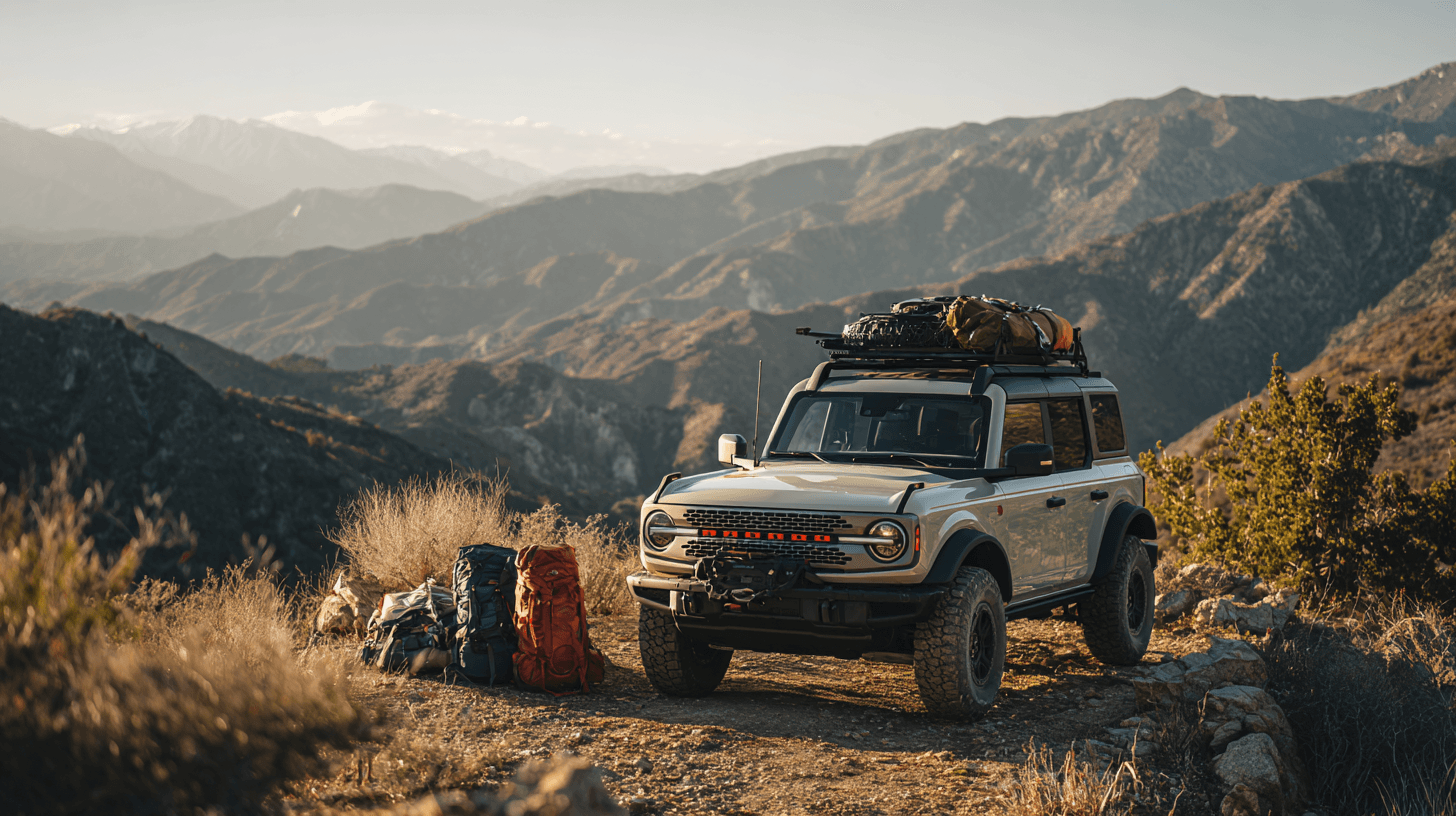
An SUV gives you the space of a truck with the comfort of a car. Room for passengers, cargo space for gear, and the capability to handle rough roads or bad weather. It is the default choice for families and outdoor enthusiasts who need versatility without going full truck.
What It Looks Like
Room for friends and gear, all-wheel drive confidence, road trip ready, car seats fit easily, the do-everything vehicle
Examples
Toyota 4Runner, Ford Bronco, Chevy Tahoe, Jeep Wrangler, Subaru Outback
Details
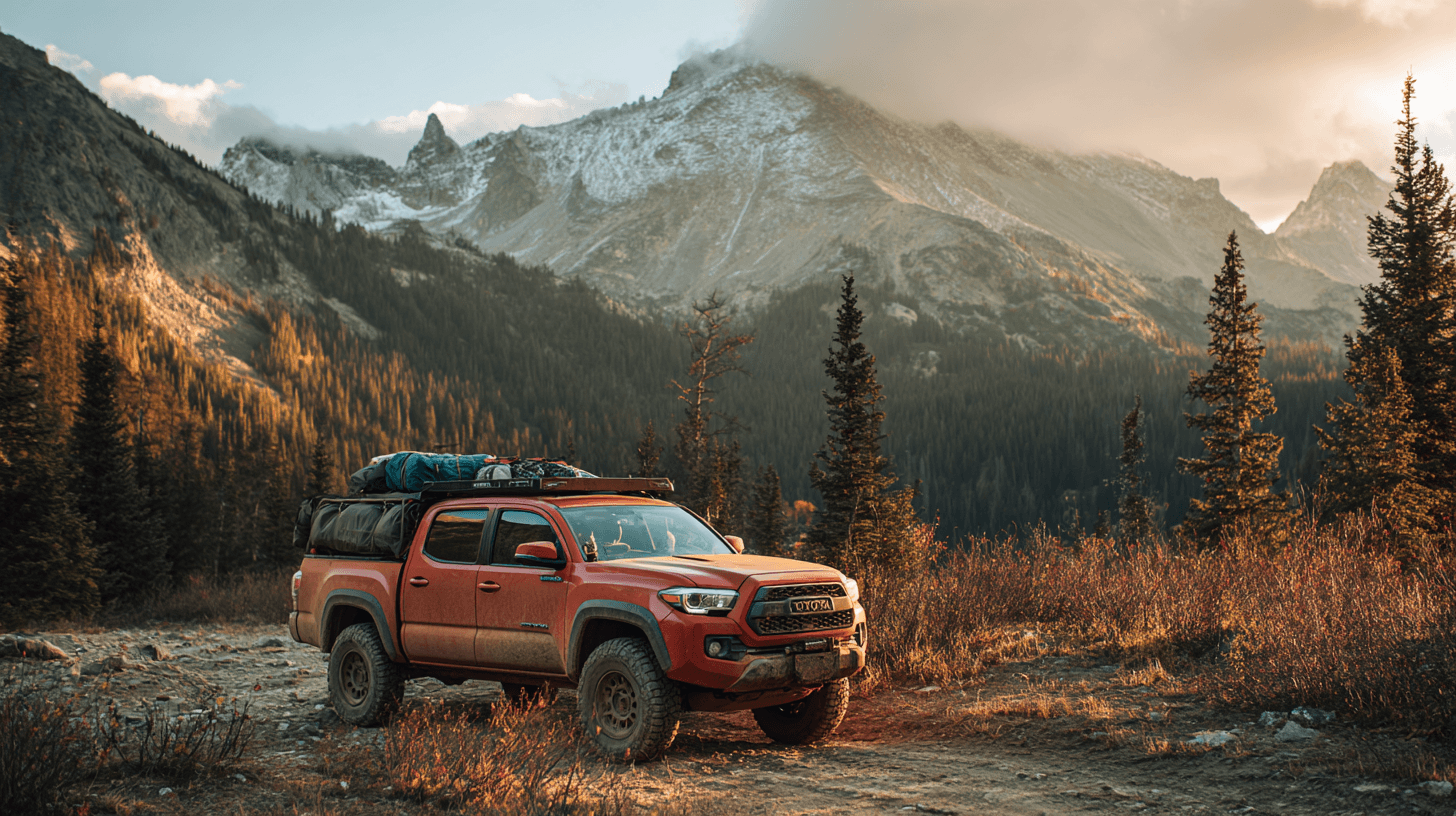
A truck is both a vehicle and a statement. It says you value capability, utility, and versatility. Whether you use it for work, hauling gear, towing boats, or going off-road — a truck handles things a sedan never could. It costs more in gas and purchase price but gives you capability nothing else matches.
What It Looks Like
Bed full of gear, towing capability, muddy tires, higher gas costs, the ability to help friends move, looks good in a driveway
Examples
Ford F-150, Toyota Tacoma, Chevy Silverado, Ram 1500, GMC Sierra
Details
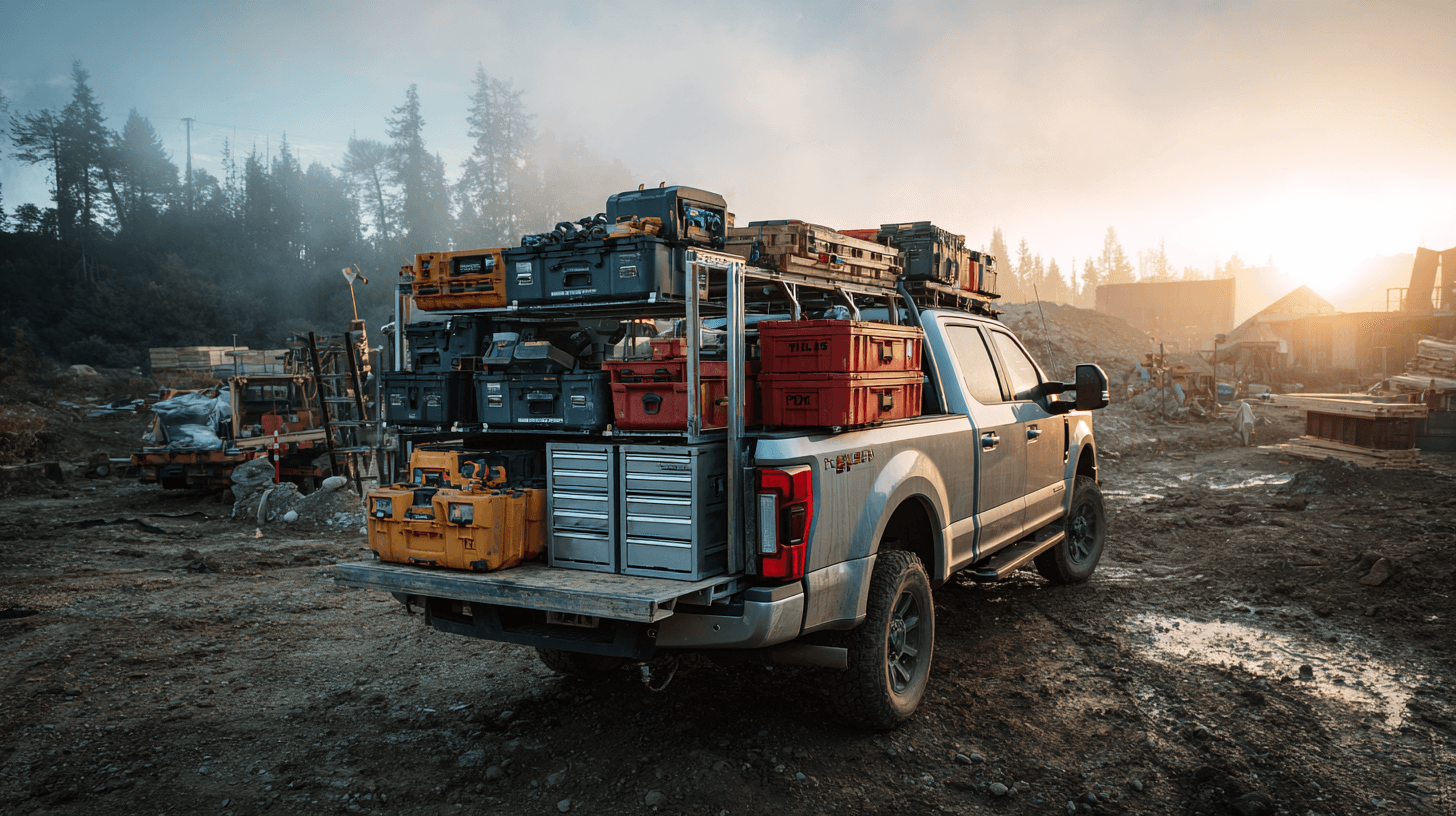
A work truck or utility vehicle is not about personal style — it is about business. Contractors, tradespeople, landscapers, and service workers need vehicles that carry tools, equipment, and materials. The vehicle is an investment that directly supports your income.
What It Looks Like
Tool boxes and racks, ladder on top, company name on the side, heavy-duty everything, the truck pays for itself through the work it enables
Examples
Contractor trucks, plumber vans, landscaping trailers, electrician service vehicles, mobile business rigs
