How do you take care of your body and your mind? This covers your physical fitness approach and your mental health practices. Maybe you train like an athlete or maybe you just want to stay active. On the mental side, think about what keeps you grounded — therapy, meditation, journaling, yoga, faith, time in nature, or something else entirely. Healthy at 25 looks different for everyone. Define what it looks like for you.

Details
Creative expression is a powerful way to process emotions that words cannot capture. Drawing, painting, playing music, writing poetry, sculpting — when used intentionally, creative activities help you externalize internal experiences and make sense of what you are feeling. You do not need to be talented. You just need to be honest.
What It Looks Like
Drawing when you are stressed, playing guitar to decompress, writing poetry after hard days, painting without a plan, using creativity as an emotional outlet
Examples
Art therapy, music therapy, people who play piano when they are upset, writers who journal through grief, anyone who creates to cope

Details
You train like an athlete whether or not you compete professionally. Your workouts follow a program. You track macros, sleep, and recovery. You set measurable goals and work toward them methodically. Physical performance is tied to your sense of self. This is fitness as a lifestyle and an identity, not just a health habit.
What It Looks Like
Training plans on the fridge, macro tracking apps, recovery protocols, race calendars, gym is non-negotiable, identity is tied to physical performance
Examples
Competitive runners, CrossFit athletes, bodybuilders, triathletes, martial artists with fight calendars

Details
Breathwork is using intentional breathing patterns to change how you feel physically and mentally. Techniques range from simple box breathing for stress relief to intense holotropic breathwork sessions. It is one of the fastest ways to shift your nervous system from stressed to calm. It requires nothing except your lungs.
What It Looks Like
Box breathing before stressful moments, Wim Hof method in the morning, breathing exercises as part of a larger routine, noticing your breath throughout the day
Examples
Box breathing, Wim Hof method, 4-7-8 technique, pranayama, breathwork classes and workshops

Details
Cold exposure and heat therapy are physical practices with mental health benefits. Cold plunges and ice baths reduce inflammation, boost mood, and build mental toughness by teaching you to stay calm under discomfort. Saunas promote relaxation, recovery, and cardiovascular health. Both practices are growing rapidly in popularity.
What It Looks Like
Morning cold showers, ice bath setups, sauna sessions after workouts, tracking your cold tolerance over time, the rush of endorphins after getting out
Examples
Wim Hof followers, cold plunge enthusiasts, sauna culture, athletes using contrast therapy for recovery

Details
Your phone is designed to keep you scrolling. Digital detox means setting intentional boundaries with screens — limiting social media, turning off notifications, leaving your phone in another room, or taking full days offline. It is not about hating technology. It is about controlling it instead of letting it control you.
What It Looks Like
Phone stays out of the bedroom, screen time limits set, social media deleted periodically, no phone at meals, noticing how much calmer you feel when you unplug
Examples
People who leave their phone in another room, social media fasters, anyone who has turned off notifications and never went back
Details
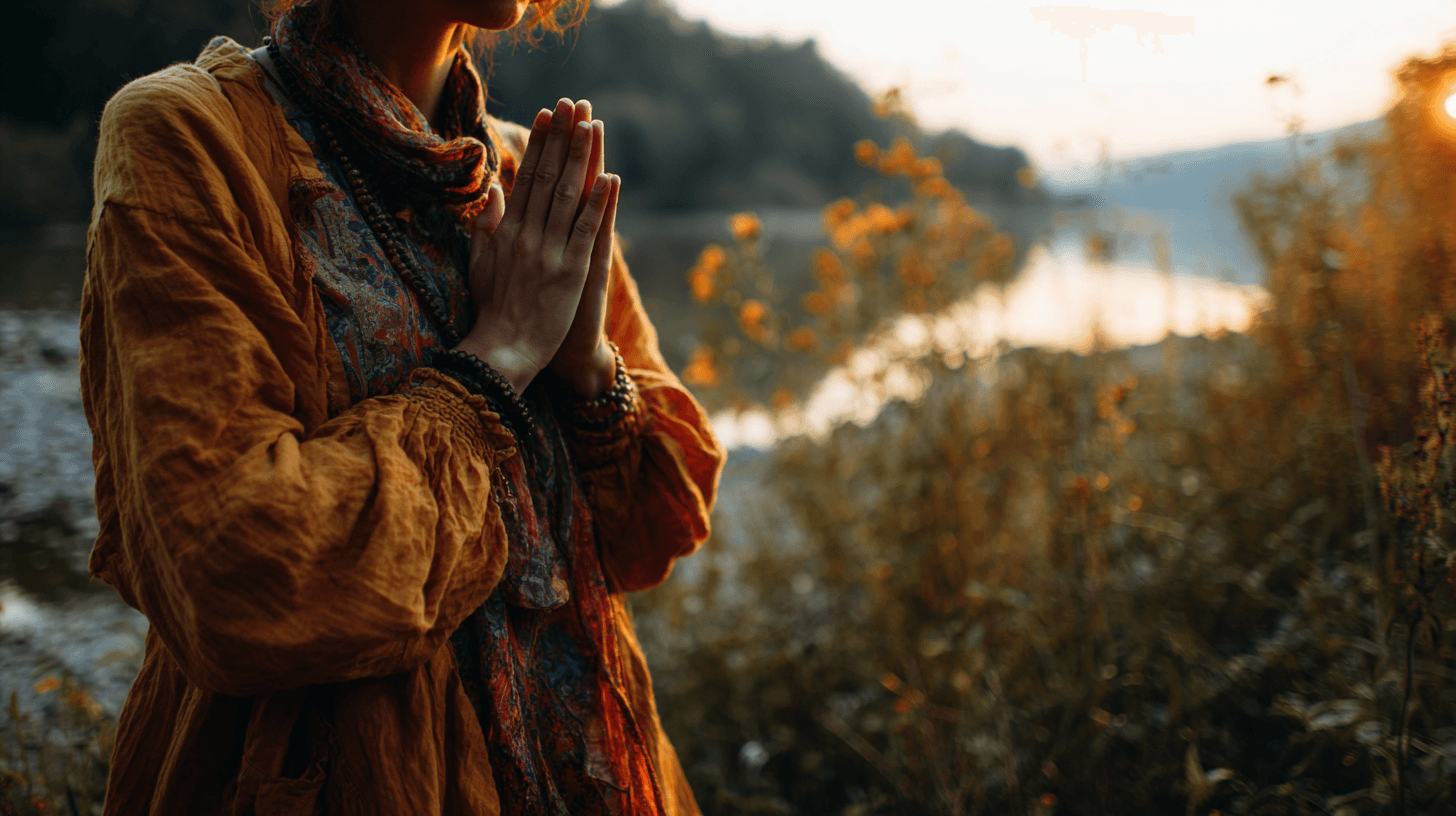
For many people, faith and prayer are the foundation of their mental and emotional well-being. Whether it is daily prayer, attending services, reading scripture, or simply talking to God, this practice provides purpose, peace, community, and a sense that you are not navigating life alone.
What It Looks Like
Morning or evening prayer, attending services weekly, reading scripture or devotionals, faith community as support system, peace in uncertainty
Examples
Daily prayer, church attendance, devotional reading, youth group participation, faith-based meditation
Details
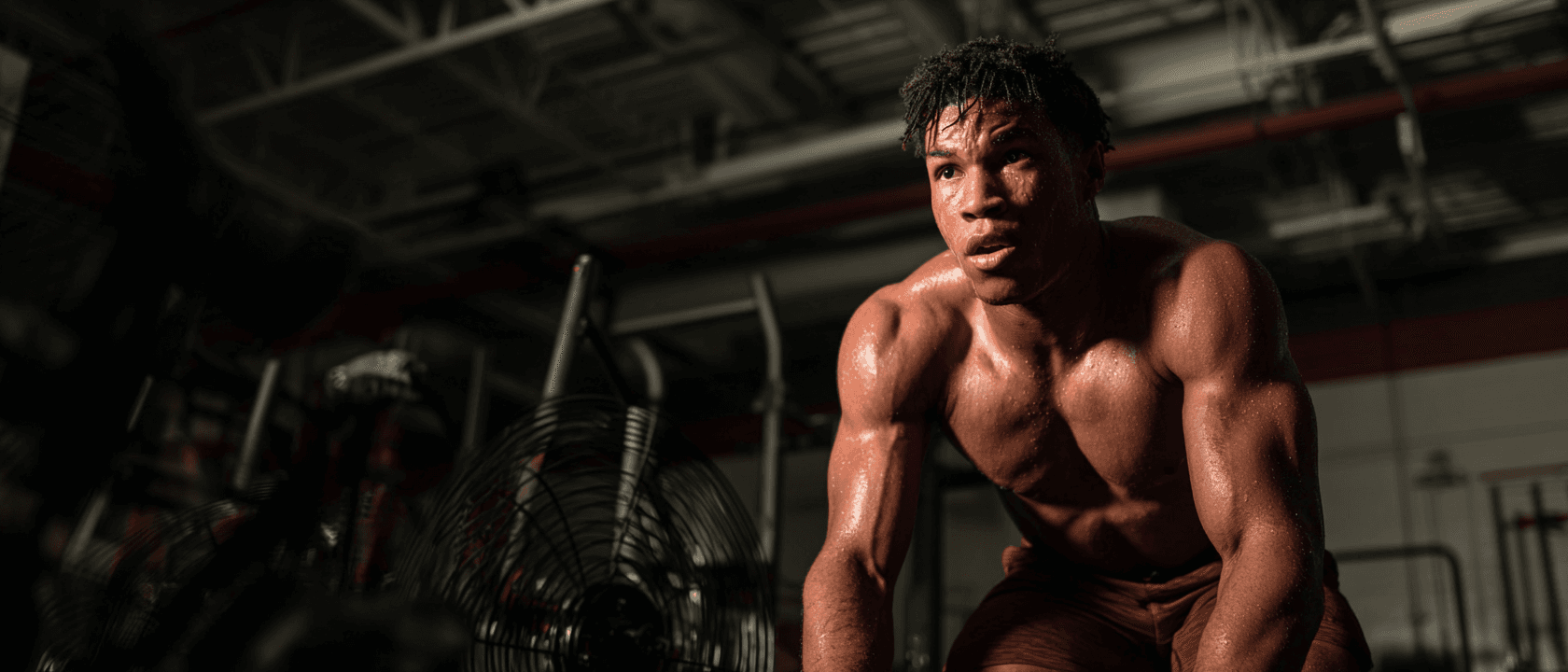
Exercise is one of the most effective treatments for anxiety and depression. This is not about aesthetics or competition — it is about using physical movement to regulate your mood, manage stress, and feel better in your body. Running, lifting, swimming, walking, dancing — the activity matters less than the consistency.
What It Looks Like
Working out because of how it makes you feel, not how it makes you look, using exercise to manage stress, noticing the mental shift after moving your body
Examples
Runners who run for their mental health, gym-goers who lift to manage anxiety, people who walk daily for clarity

Details
You stay active without building your life around it. Gym a few times a week, hikes on weekends, pickup basketball, bike rides — you move enough to feel good without tracking every calorie or training for anything specific. Fitness is maintenance, not identity.
What It Looks Like
Gym membership you actually use, active but flexible, healthy-ish eating, can run a 5K without dying, exercise is part of life not the center of it
Examples
Casual gym-goers, weekend hikers, people who walk or bike to work, anyone who stays active without being intense about it

Details
Journaling is one of the simplest and most effective mental health tools. Writing down your thoughts helps you process emotions, track patterns, set goals, and gain perspective. It does not have to be literary. It just has to be honest. Five minutes a day can change how you understand yourself.
What It Looks Like
Notebook on the nightstand, morning pages or evening reflections, stream of consciousness writing, gratitude lists, processing hard days on paper
Examples
Morning pages, bullet journaling, gratitude journals, stream of consciousness writing, goal-setting journals
Details
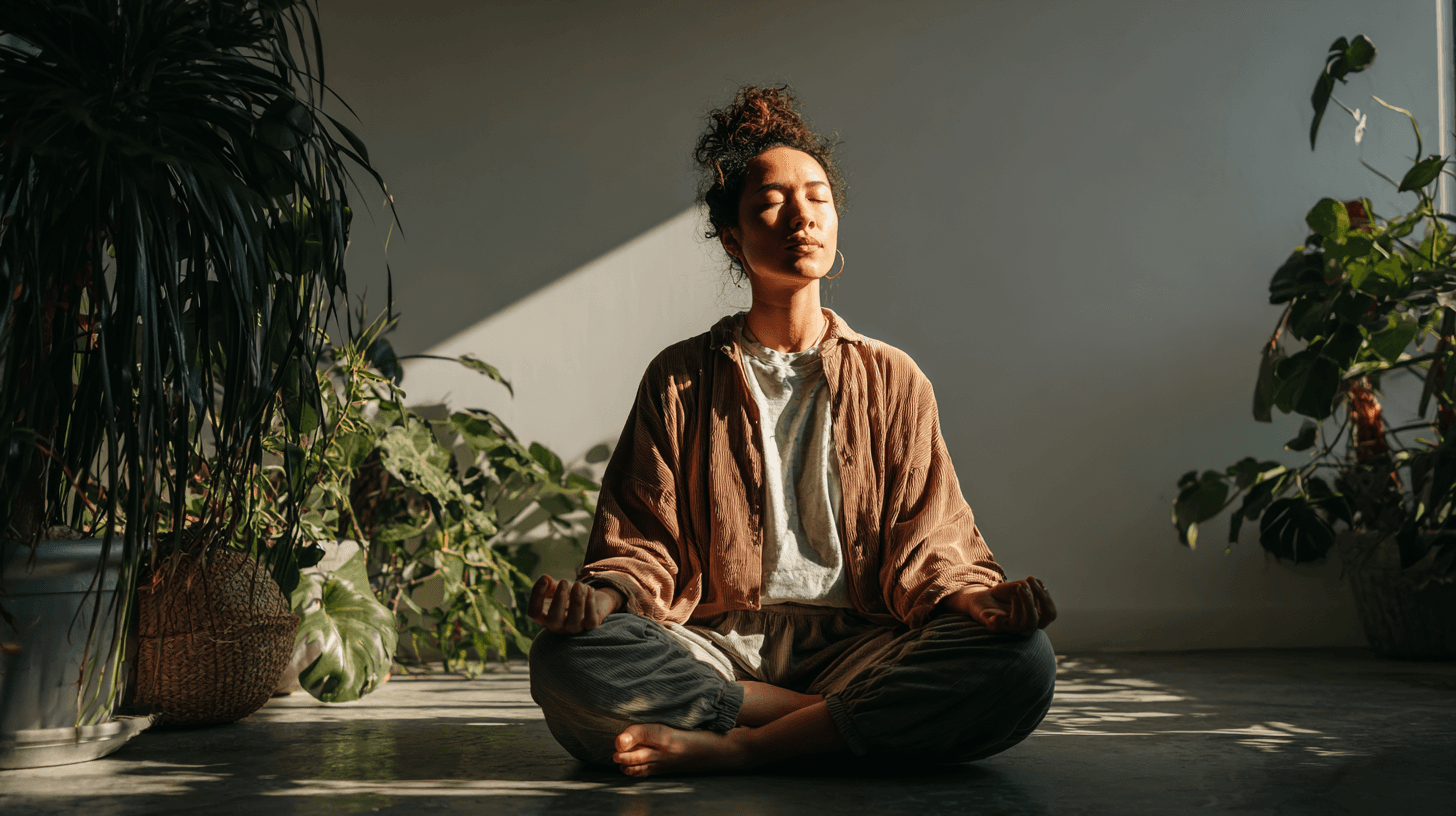
Meditation is the practice of training your attention and awareness. It can be as simple as sitting quietly and focusing on your breath for ten minutes. Over time it builds focus, reduces anxiety, and helps you respond instead of react. It is free, requires no equipment, and can be done anywhere.
What It Looks Like
Morning sits, guided meditation apps, quiet corners, noticing your thoughts without chasing them, calmer responses to stressful situations, five to twenty minutes daily
Examples
Headspace and Calm app users, Vipassana practitioners, Buddhist meditation traditions, mindfulness in schools
Details
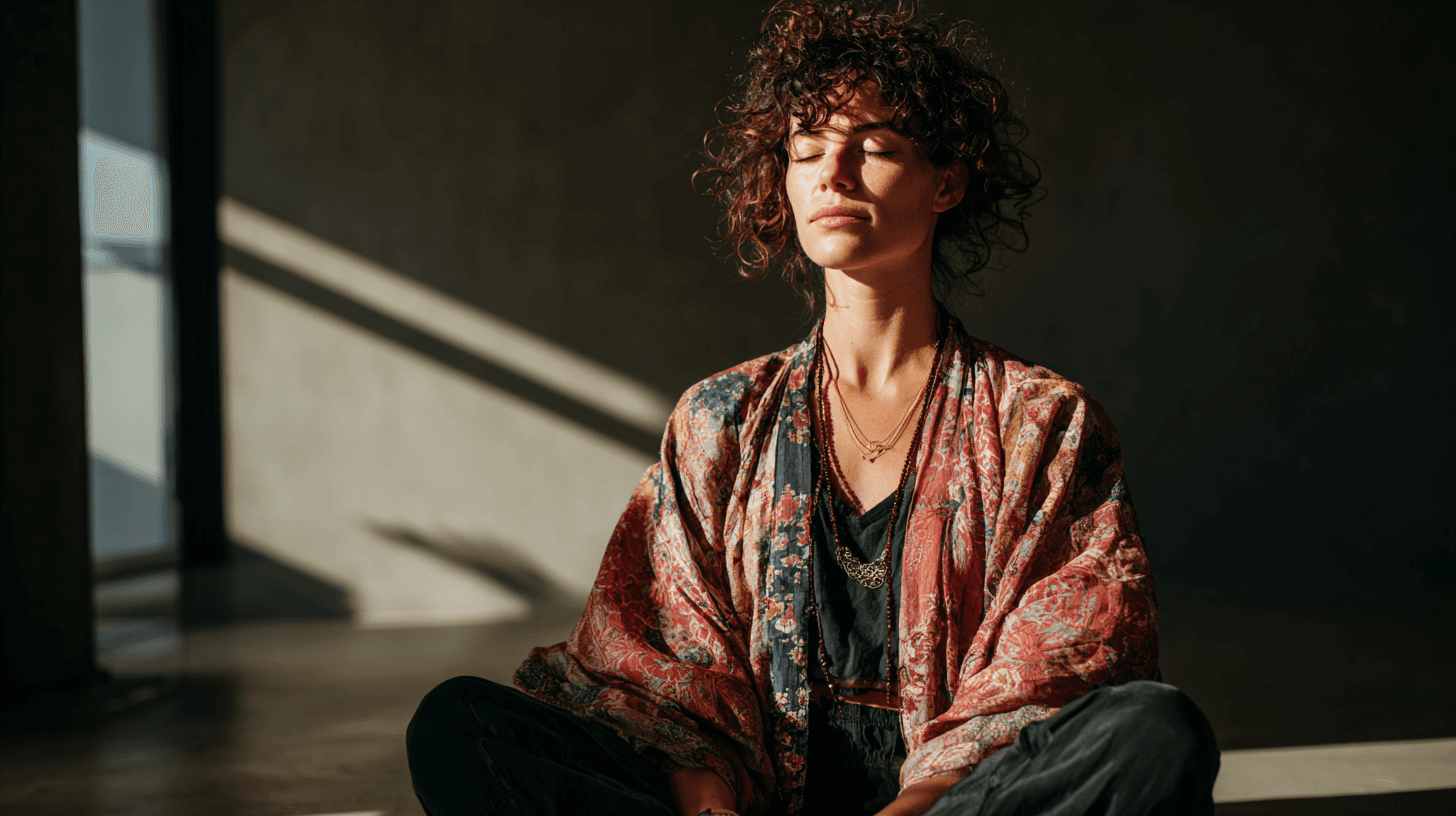
Mindfulness is not meditation — it is a way of moving through your day. It means paying attention to what you are doing while you are doing it instead of running on autopilot. Eating without scrolling. Walking without headphones sometimes. Noticing your emotions before reacting. It is simple but it changes everything.
What It Looks Like
Eating without your phone, noticing your breath during stressful moments, pausing before reacting, single-tasking instead of multitasking, being where you are
Examples
People who eat lunch without screens, anyone who pauses before responding to conflict, mindful walking practitioners
Details
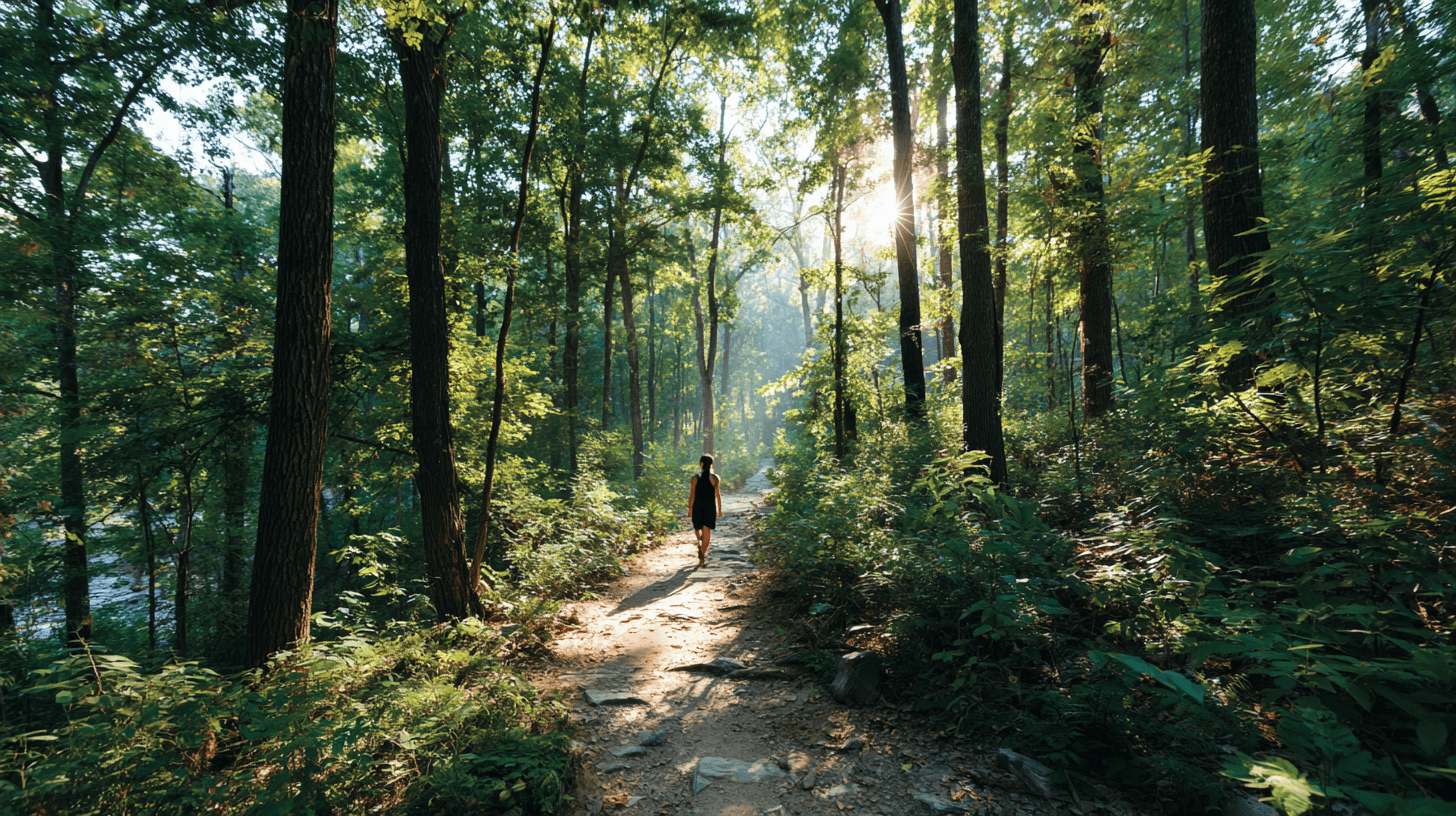
Spending time in nature is one of the most researched and proven ways to improve mental health. It reduces stress, improves mood, and helps you think more clearly. It does not have to be a big adventure. A walk in the park, sitting by water, or just being outside in the sun counts. The key is consistency.
What It Looks Like
Daily walks, lunch outside, weekend hikes, sitting by water, gardening, leaving your phone inside, noticing seasons change
Examples
Daily walkers, park bench regulars, people who eat lunch outside, weekend hikers, anyone who feels better after being outside
Details
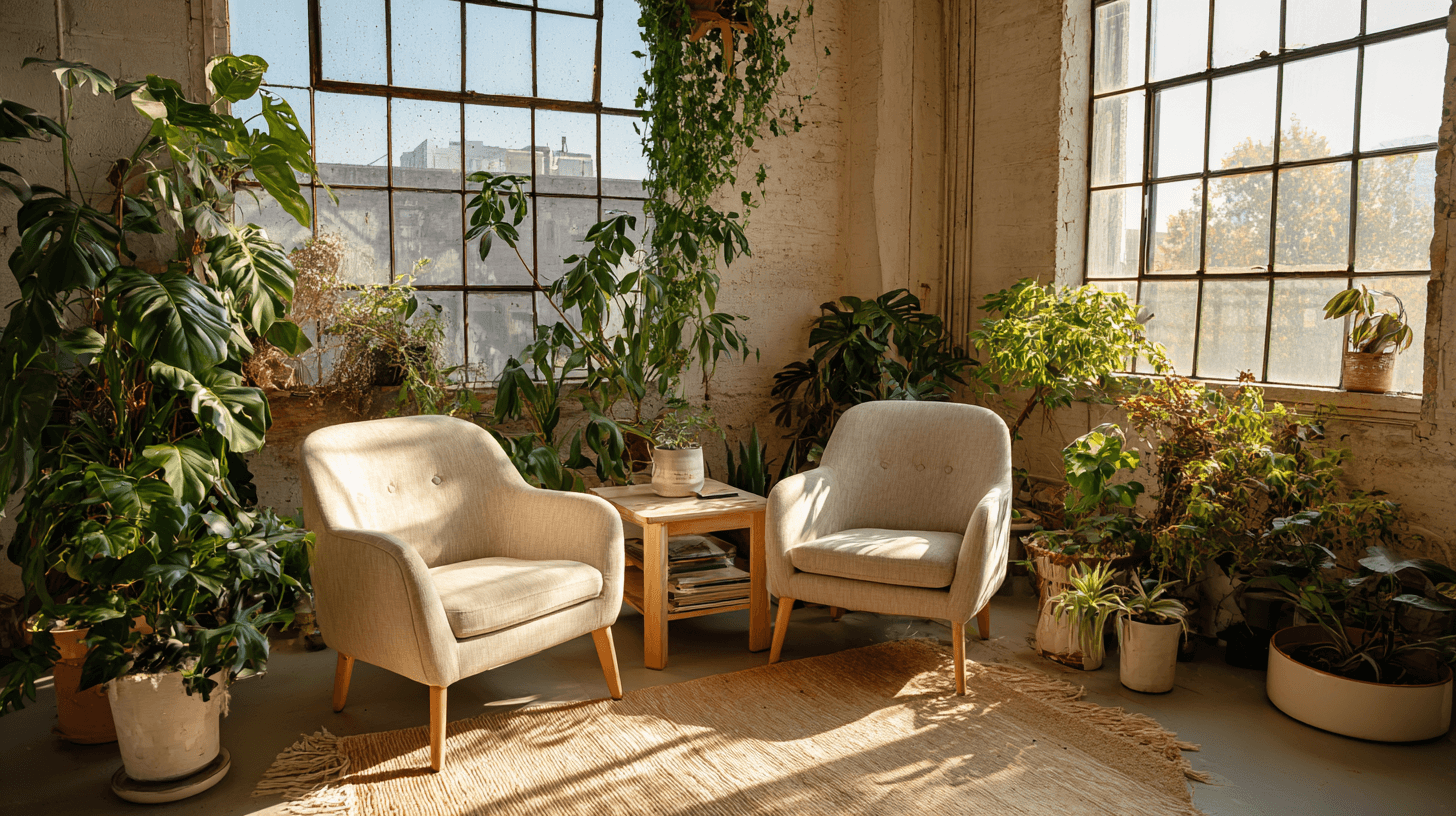
Therapy is not just for people in crisis. It is a tool for self-awareness, processing emotions, building coping skills, and understanding patterns in your behavior and relationships. A therapist gives you a space where you can be completely honest without judgment. It is one of the most effective investments you can make in yourself.
What It Looks Like
Weekly or biweekly appointments, learning about yourself in structured ways, having someone in your corner who is trained to help, processing things you cannot figure out alone
Examples
Talk therapy, cognitive behavioral therapy (CBT), EMDR, group therapy, school counselors, licensed therapists
Details
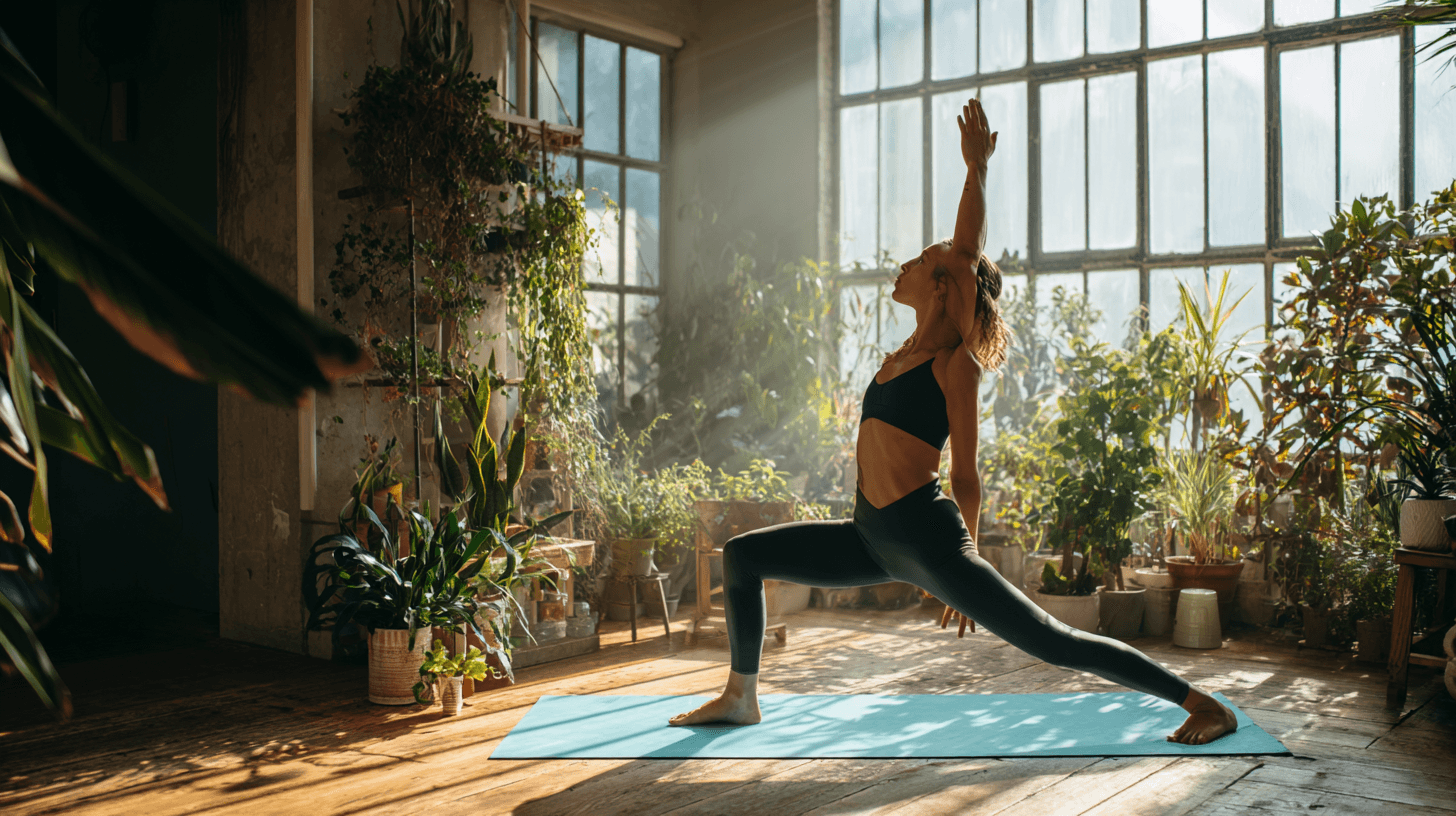
Yoga combines physical movement, breathing techniques, and mental focus. It builds strength, flexibility, and balance while also calming your mind. There are many styles — from intense power yoga to gentle restorative sessions. It can be a workout, a meditation, or both depending on how you approach it.
What It Looks Like
Mat rolled up by the door, morning flows, studio memberships or YouTube sessions at home, increased flexibility over time, a practice that grows with you
Examples
Vinyasa flow, hot yoga, restorative yoga, yoga studios, home practice with YouTube, athletes who use yoga for recovery
