Where do you want to live at 25? This is about geography, climate, culture, and vibe. Beach town or big city? Mountains or suburbs? Staying in the U.S. or living abroad? Where you live shapes your job options, your social circle, your cost of living, and your daily mood. Pick a specific place and explain why it fits you.
Details
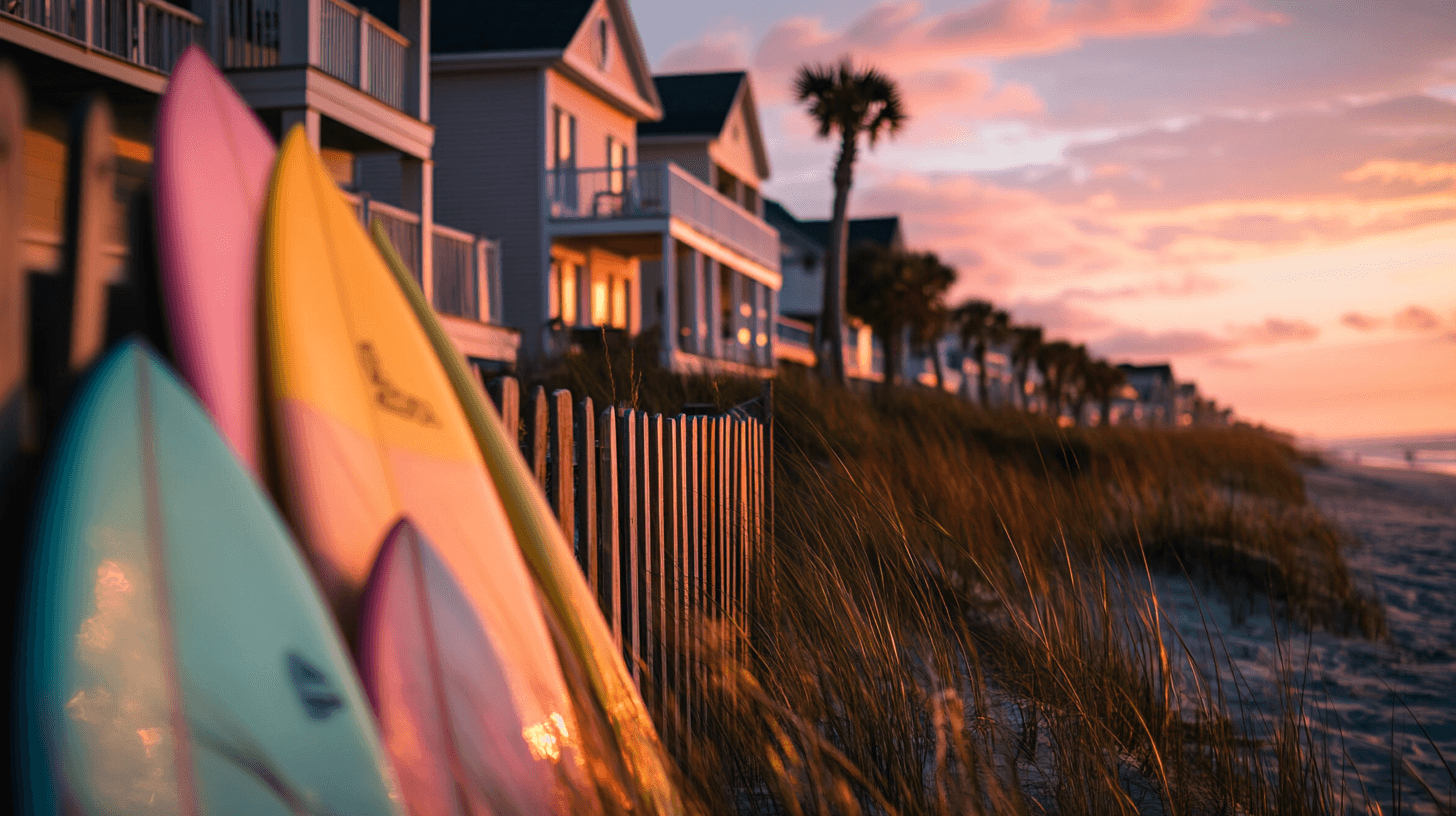
Ocean-side living with marine influence. Tourism affects the local economy. Relaxed lifestyle but weather concerns are real, especially hurricane season. Seasonal population swings mean your town feels different in summer versus winter. Jobs often tied to tourism, marine trades, healthcare, or remote work.
What It Looks Like
Surfboards on porches, flip flops year-round, happy hours at sunset, salt damage on everything, beach cruiser bikes, knowing swell reports better than the news, sand in your car permanently
Examples
San Diego CA, Outer Banks NC, Wilmington NC, Charleston SC, Santa Cruz CA, Destin FL, Maui HI
Details
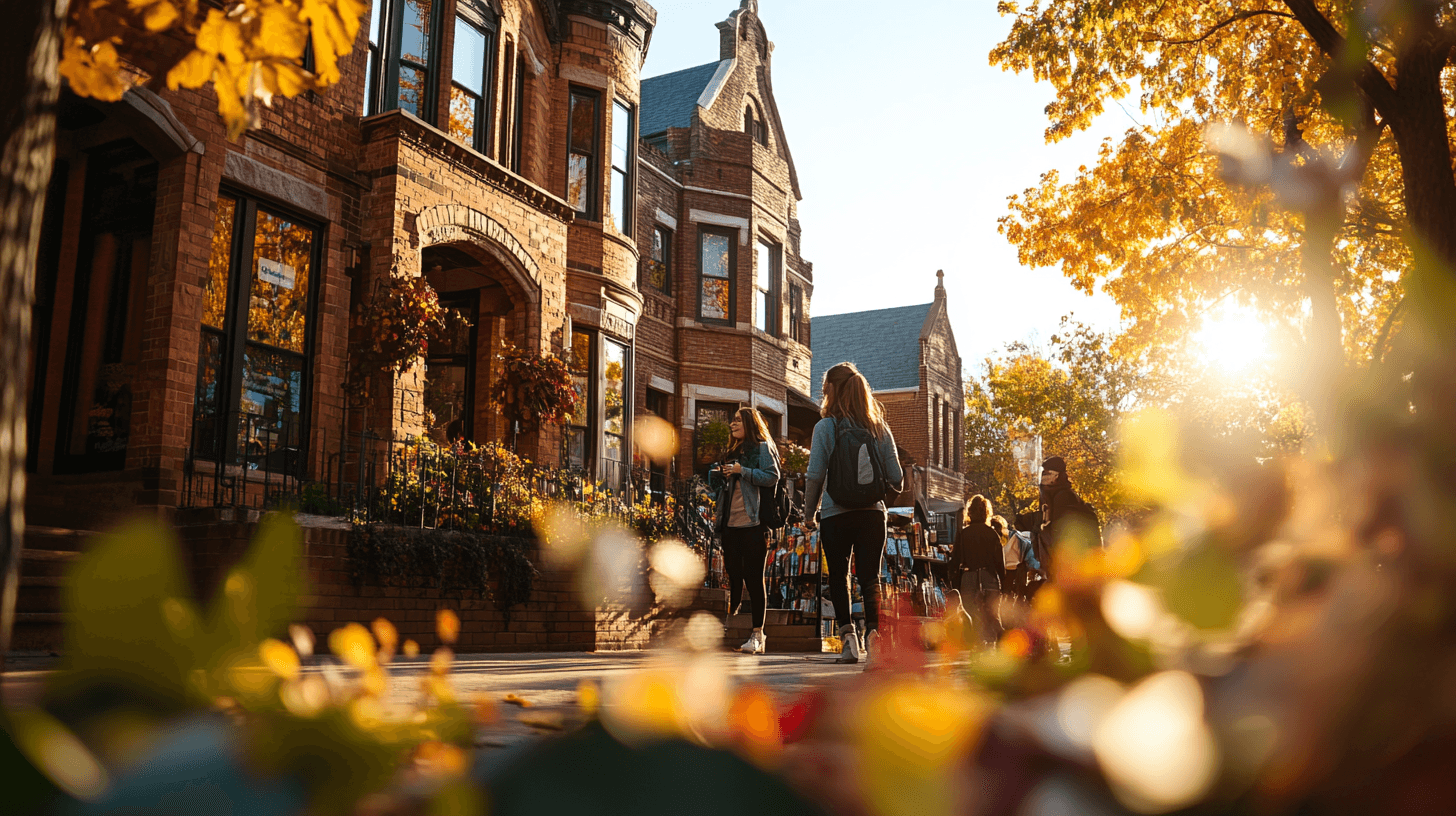
Cities dominated by universities. Constant influx of young people keeps the energy high and the culture vibrant. Great food, music, and nightlife for the price. Seasonal population changes when students leave. Strong community identity built around the school. Affordable but job market can be limited outside the university.
What It Looks Like
Game day energy, dive bars with character, bookstores, coffee shops full of laptops, strong opinions about everything, cheap rent, football Saturdays, campus as the center of gravity
Examples
Athens GA, Burlington VT, Ann Arbor MI, Charlottesville VA, Madison WI, Gainesville FL
Details
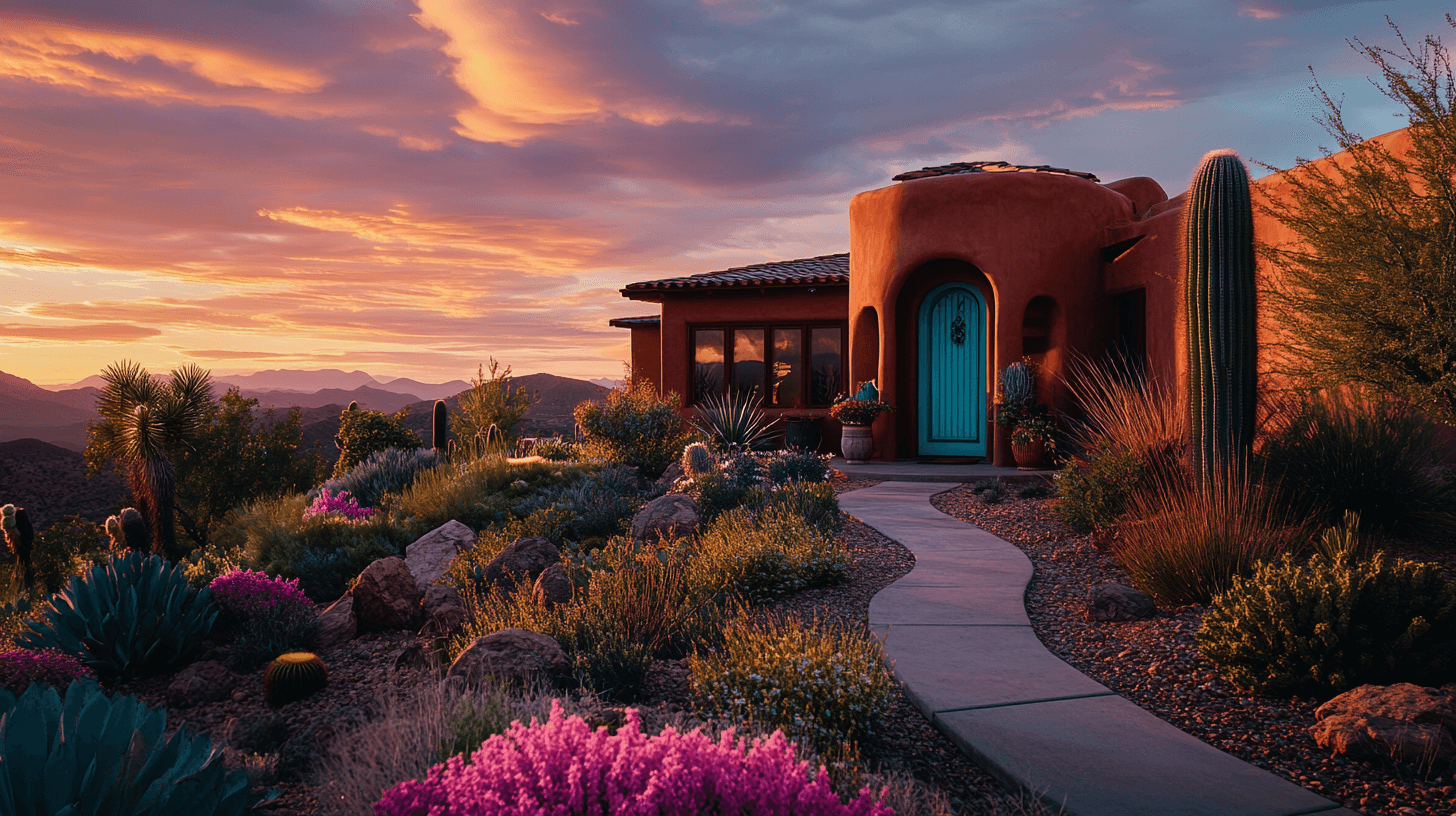
Cities and towns in the American desert. Hot climate with mild winters. Sprawling development with lots of new construction. Rapid population growth and affordable housing compared to coastal cities. Stunning natural beauty with red rocks, canyons, and endless sky. Air conditioning is not optional. Water scarcity is a real long-term concern.
What It Looks Like
Sunsets that do not look real, pool culture, air conditioning on full blast, hiking at 5 AM before it gets hot, turquoise jewelry, desert landscaping instead of lawns, incredible night skies
Examples
Phoenix AZ, Tucson AZ, Sedona AZ, Las Vegas NV, Santa Fe NM, St. George UT
Details
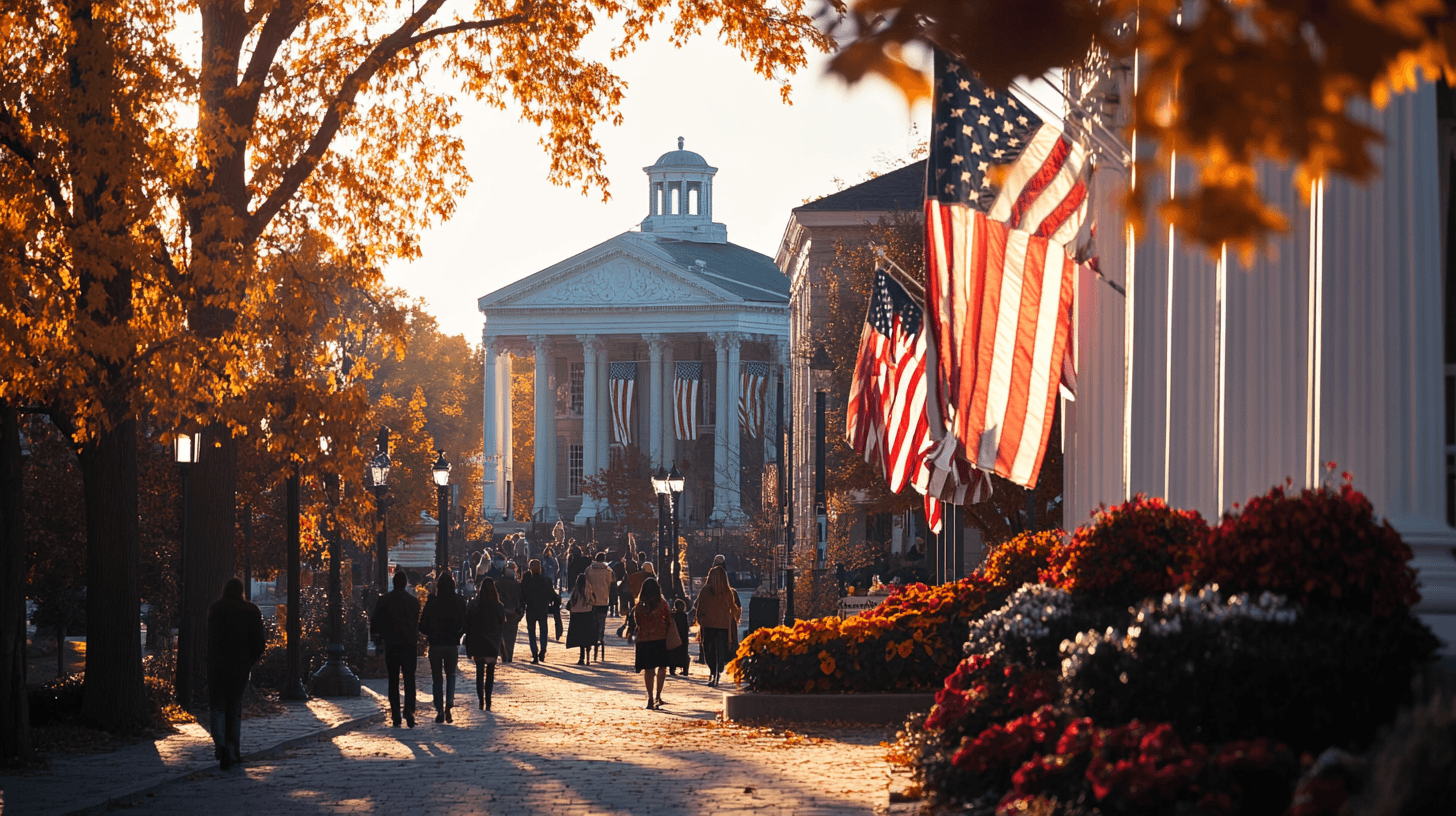
Cities where the government or military is the primary employer and cultural driver. Stable jobs with benefits but bureaucratic culture. High turnover as people rotate through assignments. Strong sense of duty and service. Can feel transient because people are always coming and going. Cost of living varies wildly depending on the specific city.
What It Looks Like
Uniforms everywhere, government badges on lanyards, acronyms as a second language, base housing, security clearances, stable paychecks, strong sense of mission, people from everywhere mixed together
Examples
Washington DC, San Antonio TX, Norfolk VA, Colorado Springs CO, Fayetteville NC, San Diego CA (military side)
Details
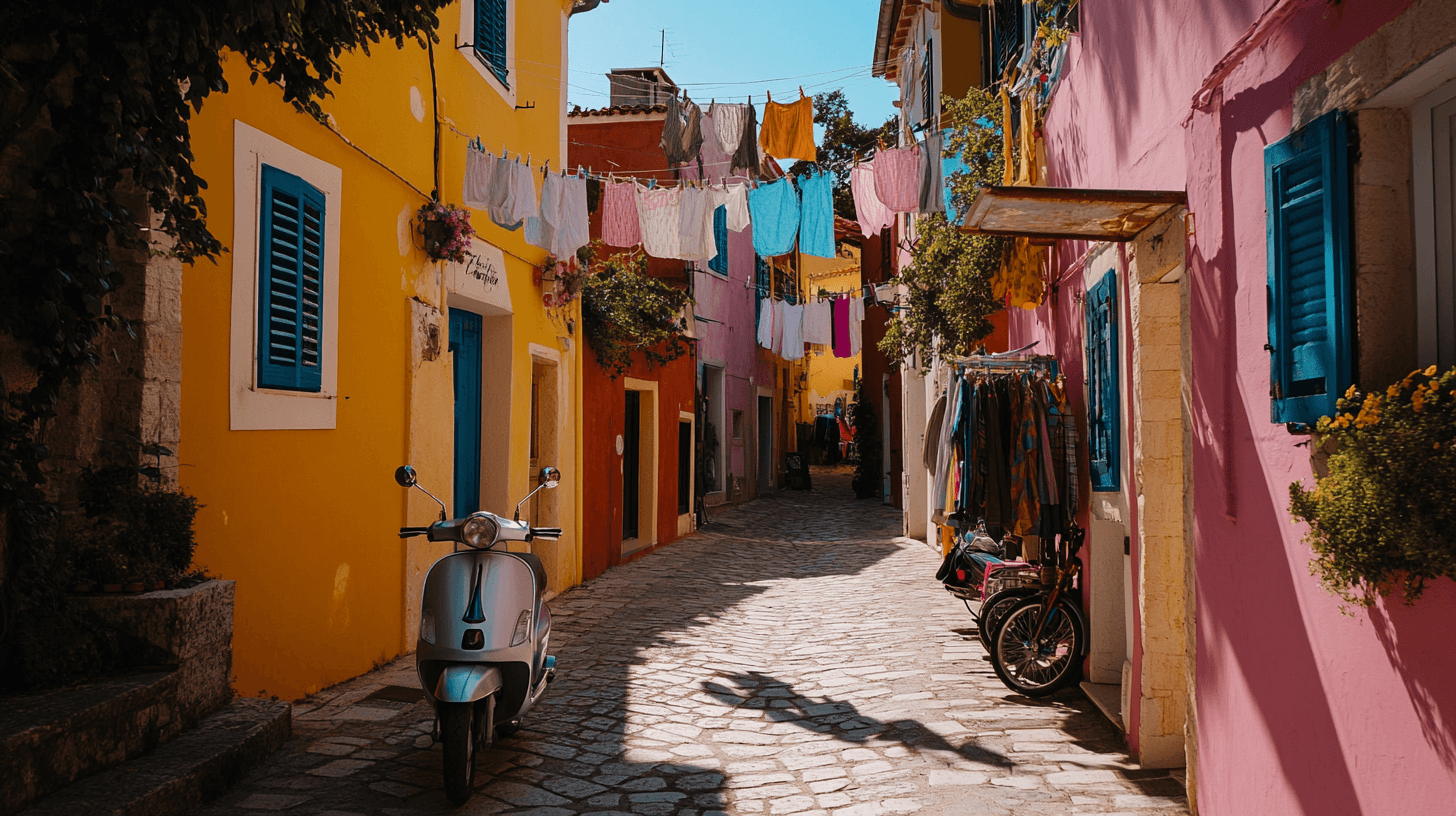
Relocating to another country, either temporarily or long-term. Could be for work, lifestyle, cost of living, or pure adventure. You deal with language barriers, different healthcare systems, visa logistics, and being far from family. But you gain perspective, cultural fluency, and experiences you cannot get any other way.
What It Looks Like
Learning to buy groceries in another language, video calling family across time zones, figuring out healthcare systems, feeling like a beginner at life again, perspective you cannot get any other way, expat friend groups
Examples
Lisbon Portugal, Medellín Colombia, Bali Indonesia, Tokyo Japan, Barcelona Spain, Mexico City Mexico
Details
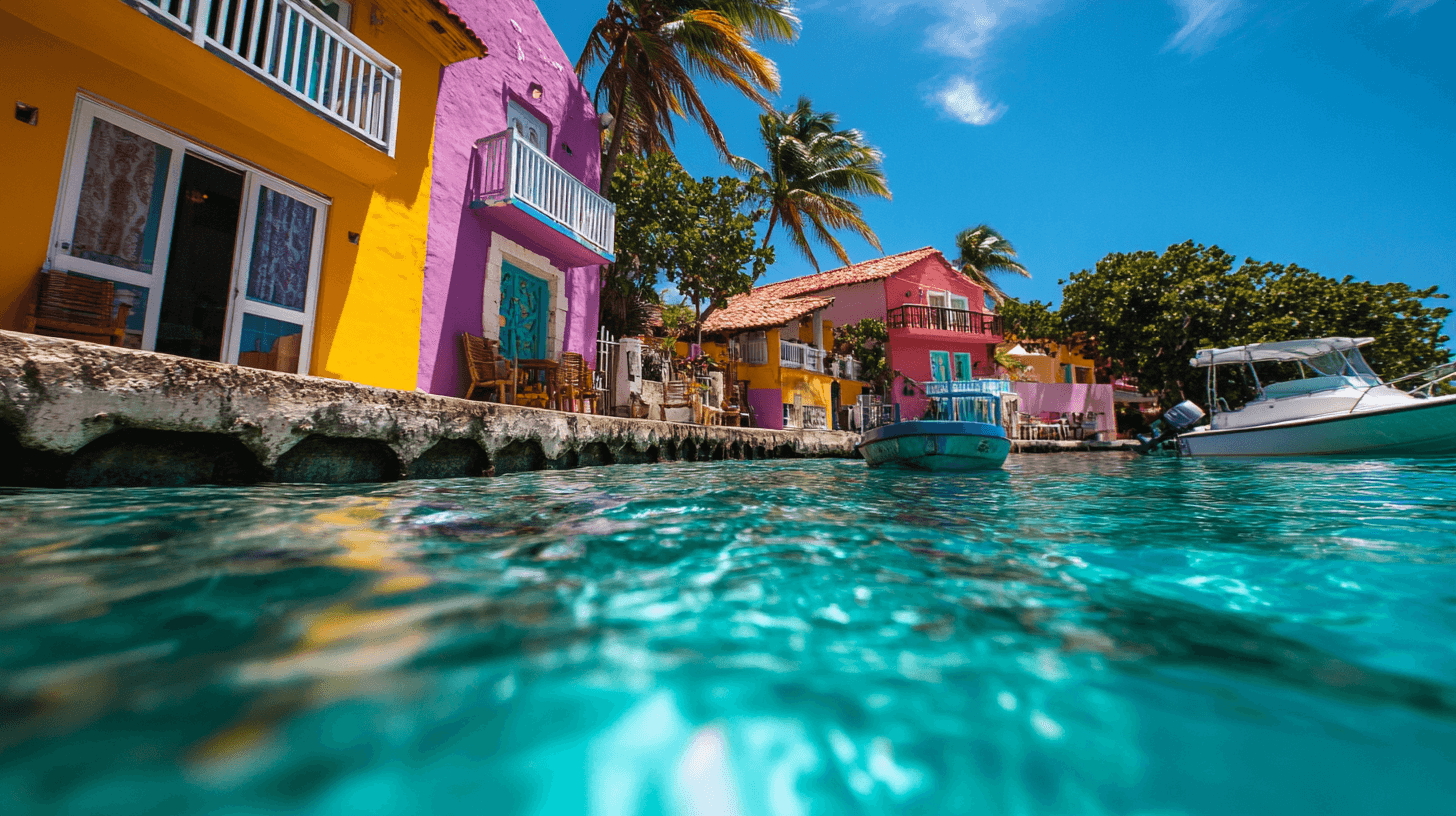
Living on an island or in a tropical environment within U.S. territory or nearby. Beautiful weather year-round but isolation from the mainland is real. Everything costs more because it has to be shipped in. Job market is limited. Hurricane risk is serious. But the lifestyle is unmatched if you can make the economics work.
What It Looks Like
Flip flops to work, rum drinks on weekdays, everything runs on island time, ferry schedules matter, sunburn is a lifestyle, knowing every local by name, slower pace that either heals you or drives you crazy
Examples
Key West FL, U.S. Virgin Islands, Puerto Rico, Oahu HI, Kauai HI, Outer Islands
Details
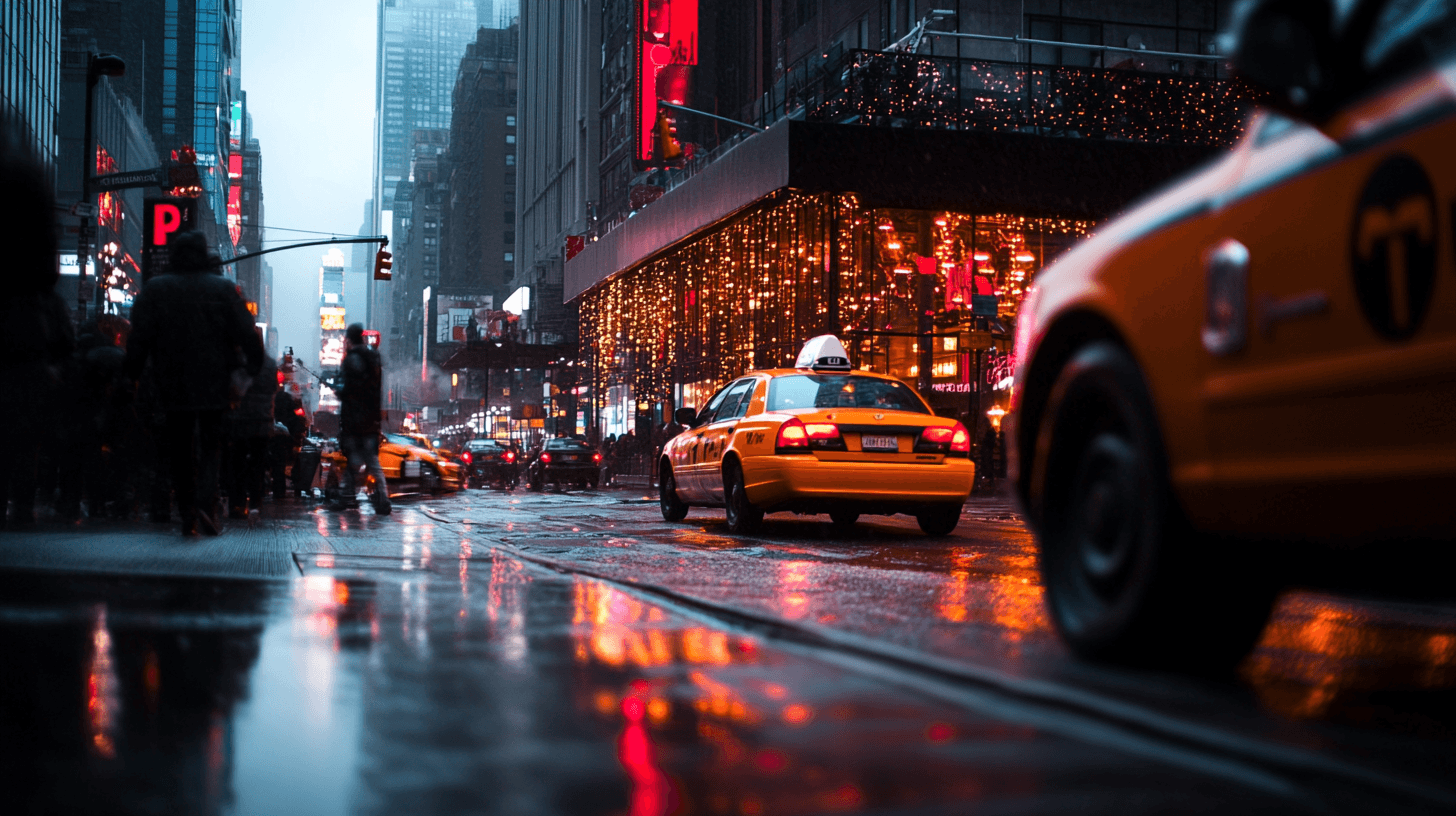
Fast-paced city life in metros with over a million people. High energy, diverse opportunities, and 24/7 activity. Public transit, nightlife, career density, world-class culture, and restaurants. But also noise, crowds, small apartments, and high cost of living. You trade space and quiet for access and energy.
What It Looks Like
Walking everywhere, bodega runs at midnight, knowing your subway line better than your neighbors, $16 salads, world-class museums ten minutes away, always something happening, never bored but sometimes exhausted
Examples
New York City NY, Chicago IL, Los Angeles CA, Miami FL, Houston TX, Philadelphia PA
Details
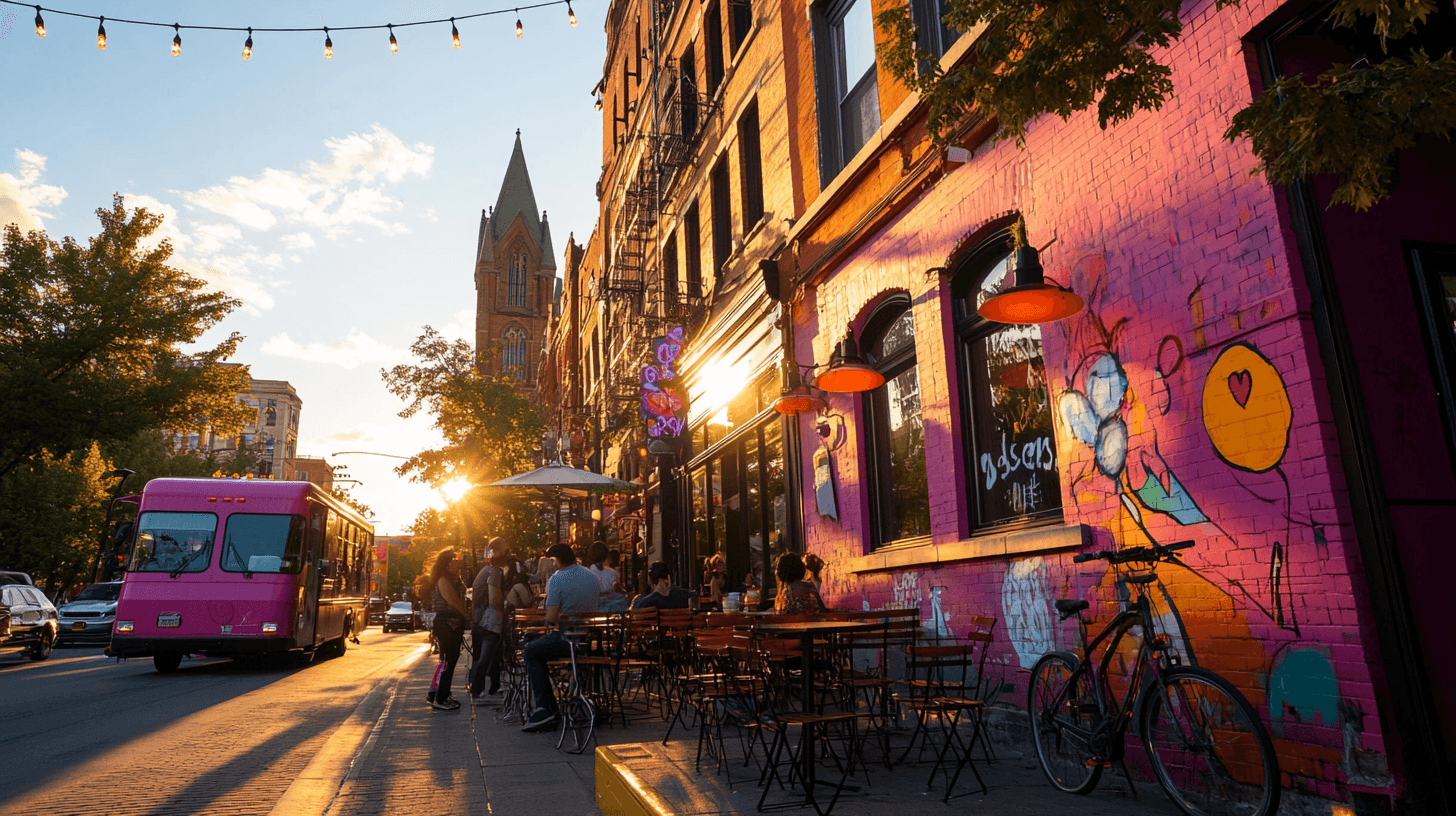
The sweet spot for a lot of people. More affordable than major metros with growing job markets and real culture. Usually has a scene — food, music, outdoors, nightlife — without the chaos of a major city. You can know people, build a reputation, and still have access to everything you need.
What It Looks Like
Knowing the best taco spot before it blows up, 20-minute commutes, local brewery culture, a downtown that's 'really coming along,' enough going on without the chaos
Examples
Austin TX, Denver CO, Nashville TN, Tampa FL, Raleigh NC, Portland OR, Salt Lake City UT
Details
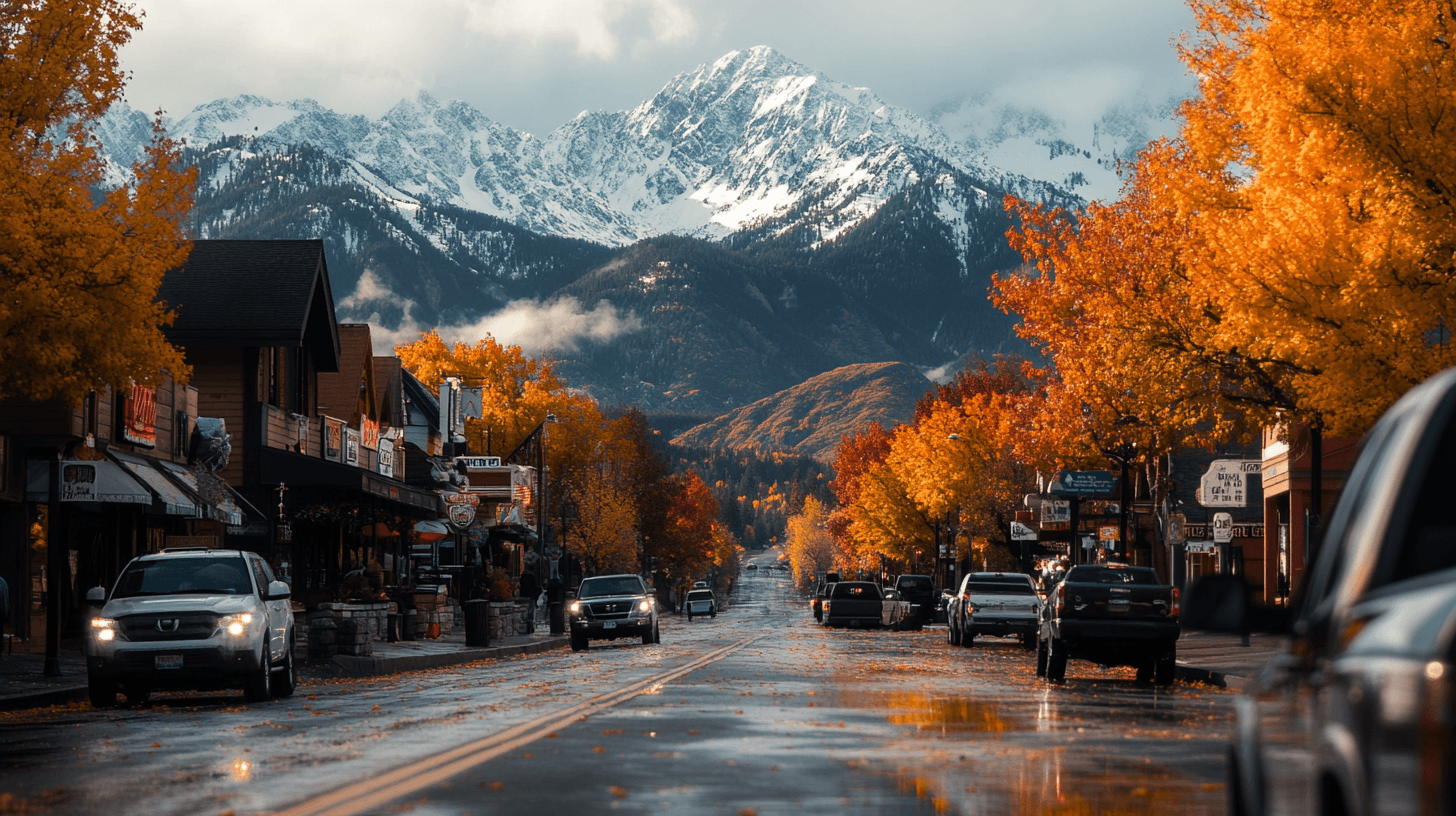
High altitude communities near recreation and wilderness. Outdoor lifestyle is central to the culture. Community is tight but small. Job market is limited so many people work remote, seasonal, or in tourism and trades. Beautiful scenery but isolation is real, especially in winter.
What It Looks Like
Ski racks on every car, trail dogs everywhere, flannel as formal wear, farmers markets, altitude headaches for visitors, 'I moved here for one season and never left'
Examples
Bozeman MT, Asheville NC, Bend OR, Park City UT, Steamboat Springs CO, Lake Tahoe CA
Details
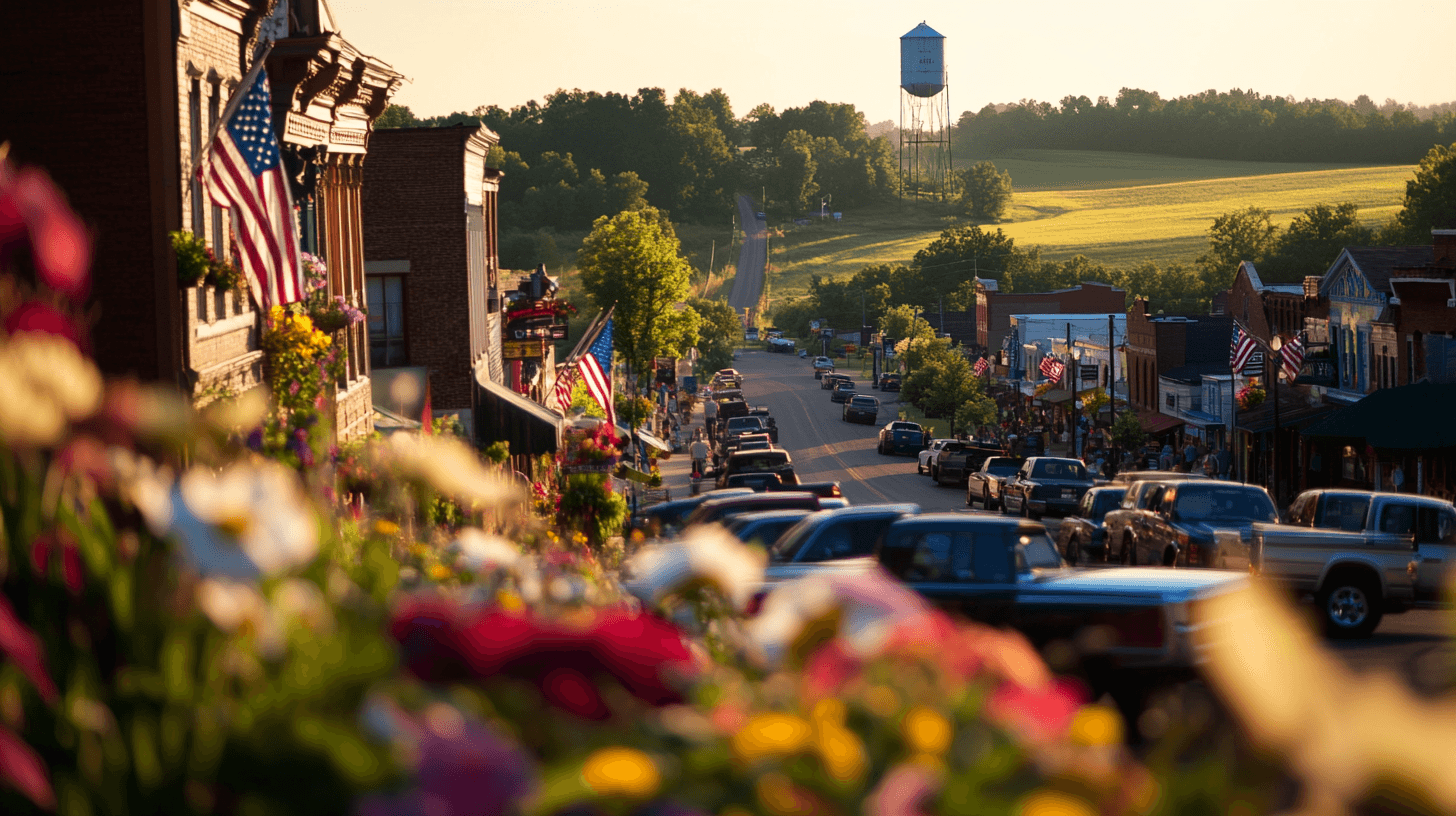
Communities under 50,000 people. Limited job variety but strong community ties. Lower cost of living and more space. You see the same people at the gas station, the gym, and church. Life moves slower and that is either the appeal or the problem, depending on who you are.
What It Looks Like
Waving at people from your truck, Friday night football, one good restaurant, lots of land, strong opinions, genuine neighbors, 45-minute drives for anything specialized
Examples
Moab UT, Beaufort SC, Marfa TX, Fredericksburg TX, Whitefish MT, Traverse City MI
Details
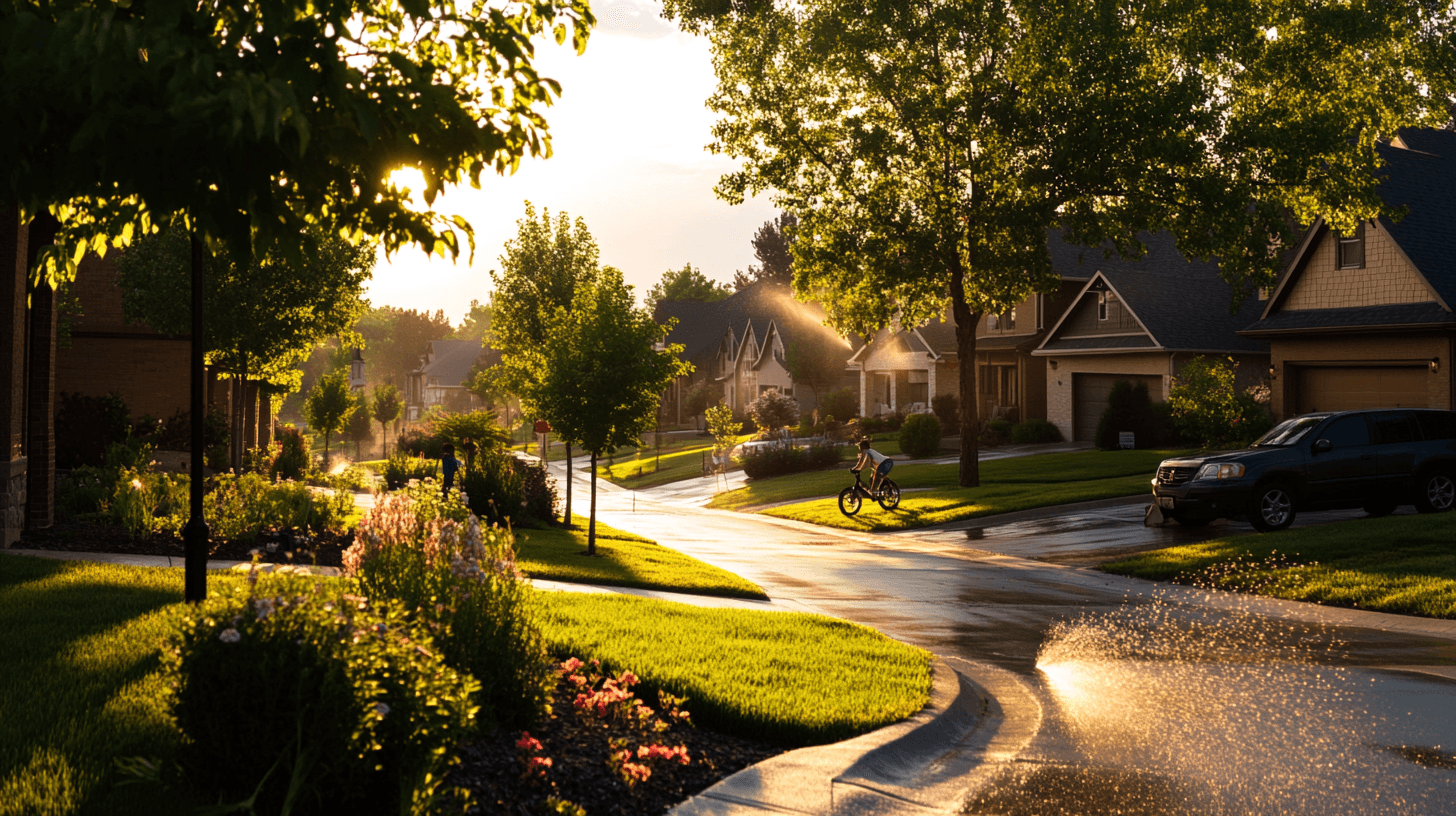
Residential areas outside major cities. Family-friendly with good schools, shopping centers, and safe neighborhoods. Quiet, predictable, and stable. You commute to the city for work or entertainment but live in a quieter environment. Can feel isolating without intentional community building.
What It Looks Like
Cul-de-sacs, Target runs, good school ratings on Zillow, garage gyms, neighborhood Facebook groups, 'we moved here for the schools,' weekend barbecues, minivans and SUVs
Examples
Plano TX, Naperville IL, Gilbert AZ, Alpharetta GA, Cary NC, Frisco TX
Details
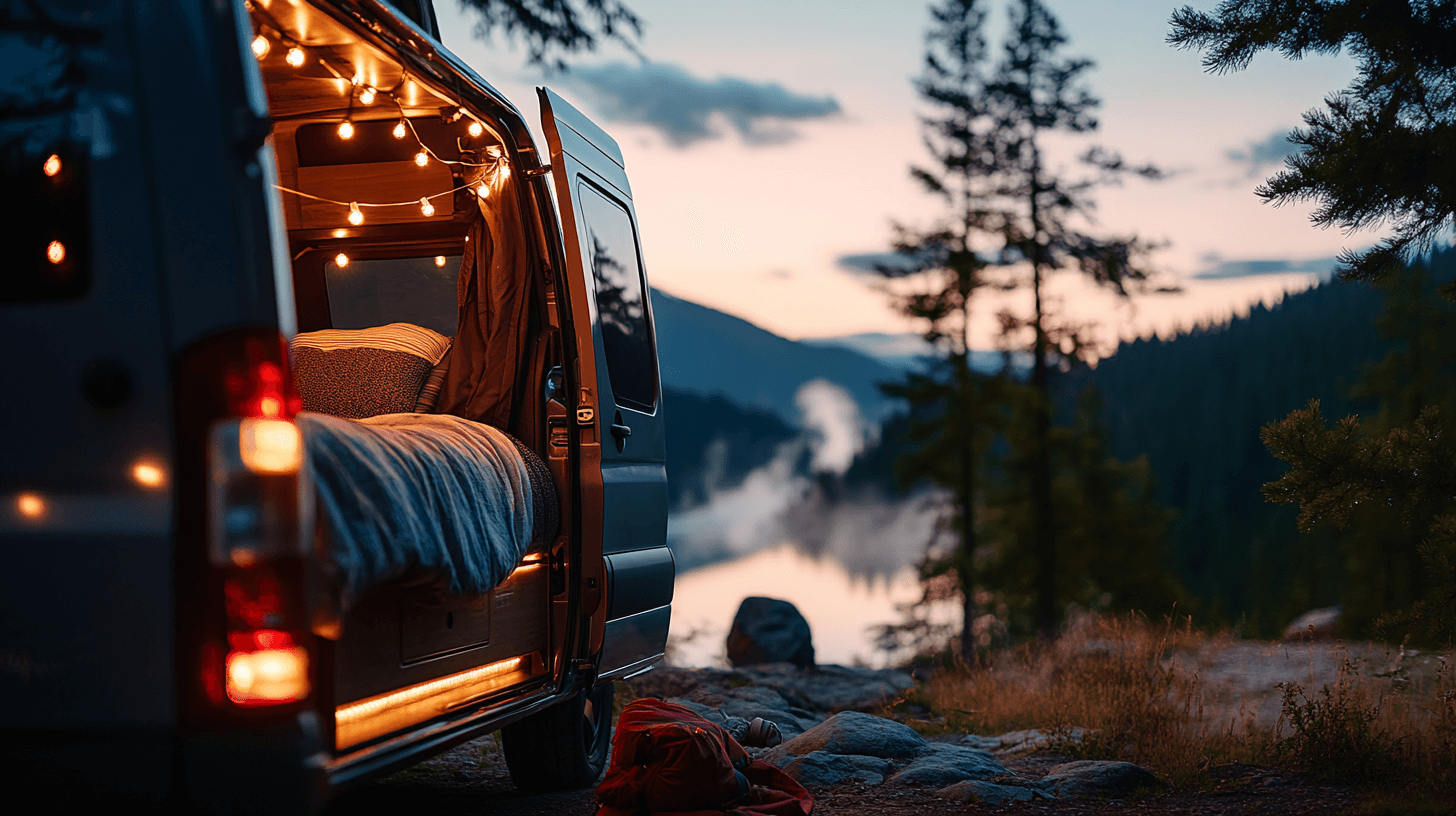
Living without a permanent home base. Could be a converted van, an RV, or just moving between cities and countries with a laptop. Maximum freedom and flexibility but zero stability. Relationships and routine require serious intentionality. Romanticized on social media but the reality includes laundromat runs, campsite Wi-Fi, and occasional loneliness.
What It Looks Like
Converted Sprinter vans, campsite Wi-Fi, laundromat routines, Instagram-worthy sunsets masking real loneliness sometimes, total location freedom, waking up in a new place every week, minimal possessions
Examples
Everywhere and nowhere. Common routes: Pacific Coast Highway, Colorado-Utah loop, Southeast circuit, international slow travel
